Buying a home in Maui is a dream come true for many, offering the promise of ocean breezes, swaying palm trees, and a lifestyle steeped in natural beauty. However, navigating the island’s unique real estate market can be challenging, especially when you factor in the island’s cost of living, which can differ from other locations. From understanding the local neighborhoods and market trends to securing financing and finding the right property, purchasing a home in Maui requires careful planning and expert guidance.
In this blog, we’ll share essential tips and insights to help you make informed decisions and turn your dream of owning a piece of paradise into a reality.
Here’s what you need to know upfront:
- Limited Inventory: Maui’s real estate market has had limited supply over the last few years. Well-priced properties can be competitive as a result.
- Quality of Life: Maui offers exceptional natural beauty and a relaxed lifestyle.
- Detailed Process: Buying a home requires careful planning, from budgeting to inspections.
- Financing Hurdles: Navigating financing is crucial, with a need for thorough lender comparison and local expertise.
No matter your reason for considering a move to Maui-whether for a primary residence, vacation home, or investment-the insights provided in this guide will prepare you for success. Read on to discover everything you need to know about buying a home in this slice of paradise.
Why You Should Buy A Home in Maui
If you’re considering buying a home, here are some compelling reasons why Maui should be at the top of your list:
Spectacular natural beauty
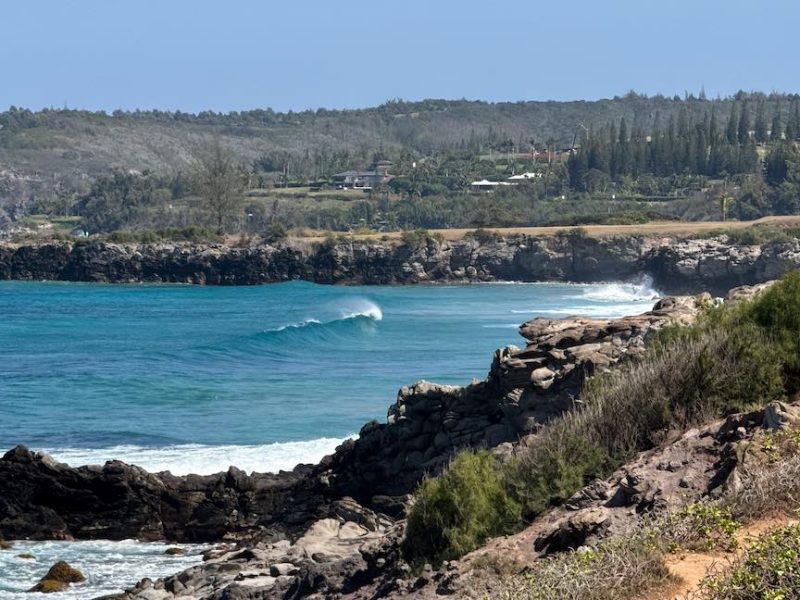
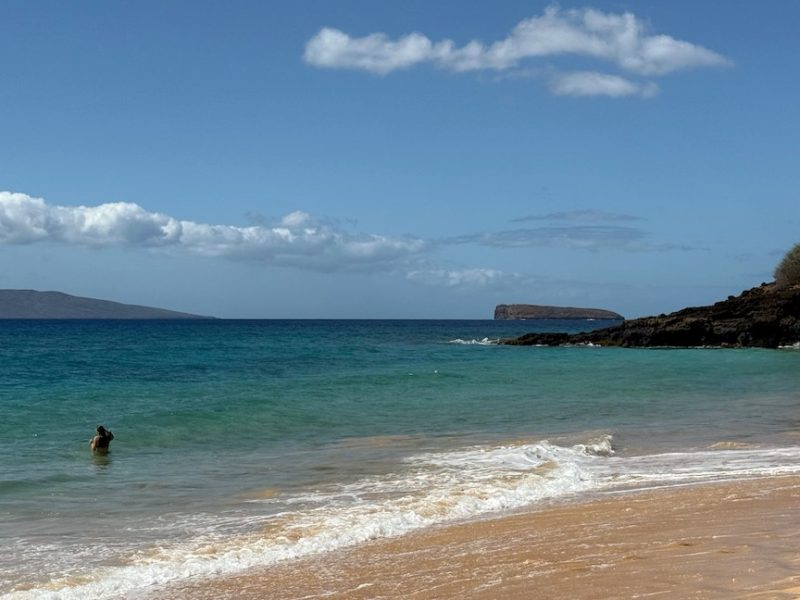
Maui boasts stunning beaches, lush rainforests, and scenic landscapes that will take your breath away. From the iconic Road to Hana to the summit of Haleakala, there’s no shortage of natural wonders to explore.
Perfect weather
With average temperatures ranging from 75°F to 85°F (24°C to 29°C), Maui offers a comfortable climate year-round. You can enjoy outdoor activities and indoor/outdoor even during the heart of winter.
Quality of life
Maui offers a laid-back lifestyle that prioritizes community, culture, and enjoying life’s simple pleasures. While many on the island work hard to make a living, Maui’s natural beauty creates extraordinary opportunities when you have downtime.
Unique Culture
From the proud cultural traditions of Native Hawaiians to the varied cultural traditions that came with the immigrants who worked the Sugar Cane Fields, Pineapple Patches, and Ranches, the influence is felt throughout Maui in the food, language, art, and traditions of our island home.
Excellent amenities
Maui is a Goldilocks place—not too big and not too small. For its size, it offers a thriving arts and culture scene, great restaurants, and improved healthcare resources.
Appreciation potential
If you plan on holding your Maui home for an extended period, the odds point to the potential for appreciation. The Maui market can fluctuate, but over the long haul home prices have appreciated significantly.
Owning a home in Maui is more than just a financial investment; it’s an investment in your quality of life. With its unmatched beauty, welcoming community, and endless opportunities for adventure, Maui is the perfect place to call home.
Navigating Maui Neighborhoods and Communities

Maui is a diverse island with a range of communities, each offering its own unique charm, lifestyle, and amenities. Whether you’re seeking beachfront luxury, a quiet upcountry retreat, or a bustling community close to schools and shops, understanding the island’s neighborhoods will help you find the perfect fit.
West Maui: Lahaina, Kaanapali, and Kapalua
West Maui is known for its stunning sunsets, luxurious resorts, and vibrant shopping and dining scenes. Lahaina’s historic town center offers art galleries, restaurants, and cultural landmarks. Kaanapali features upscale beachfront living and championship golf courses, while Kapalua boasts exclusive gated communities and scenic hiking trails. The West Maui area features a variety of property options to consider.
South Maui: Kihei, Wailea, and Makena
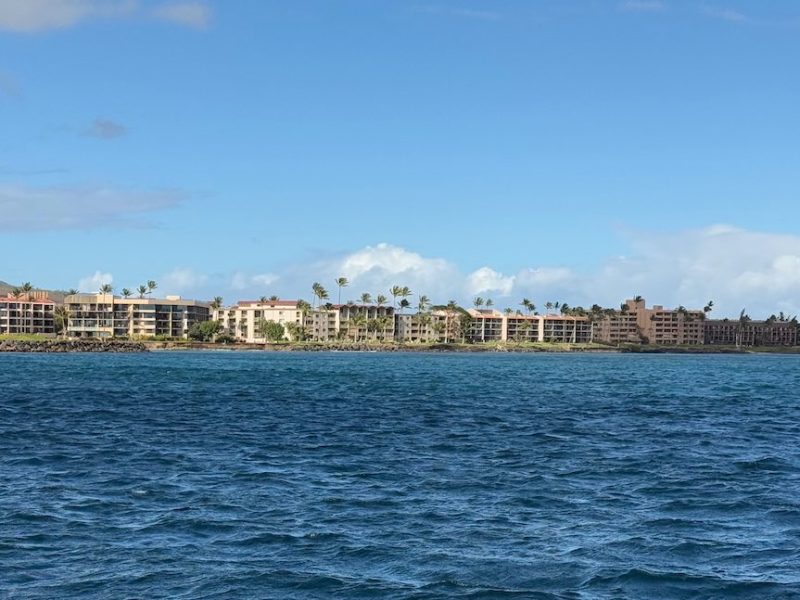
South Maui offers sunny weather, beautiful beaches, and a mix of residential and resort living. Kihei is popular for its affordability and family-friendly atmosphere, with plenty of shops and restaurants. Wailea and Makena are home to luxury resorts, golf courses, and high-end homes, providing a quieter, more exclusive lifestyle. Properties in South Maui range from condos to custom homes.
Central Maui: Kahului and Wailuku
As the island’s commercial hub, Central Maui offers convenient access to shopping centers, schools, and Maui’s airport. Kahului features larger retail stores and local businesses, while Wailuku boasts a charming downtown with historic buildings and local cafes. Central Maui properties include a mix of single-family homes and townhouses.
Upcountry Maui: Pukalani, Makawao, and Kula
Upcountry Maui provides cooler temperatures, stunning bi-coastal views, and a rural atmosphere. Pukalani offers golf courses and family-friendly neighborhoods, Makawao has an artsy, cowboy-town vibe, and Kula is known for its spacious lots, farms, and tranquil living. Upcountry Maui’s homes and land offer space and serenity.
North Shore and East Maui: Paia, Haiku, and Hana
The North Shore is known for its surf culture, natural beauty, and laid-back vibe. Paia has a bohemian atmosphere with boutiques and health food stores, while Haiku offers lush landscapes and a more rural feel. North Shore listings reflect the area’s relaxed and nature-forward lifestyle.
Further east, Hana provides a secluded, off-the-grid setting ideal for those wanting to live closer to nature. East Maui’s properties reflect this unique character.
The Real Estate Market in Maui
Maui has long been a sought-after destination for both tourists and homebuyers alike. The island’s real estate market is dynamic, offering a wide range of properties to suit different lifestyles and budgets. Here’s an overview of the current state of Maui’s real estate market:
Demand
Maui’s popularity as a vacation destination and a desirable place to live results in consistent demand for island homes. This demand comes from local buyers, second-home buyers, and people relocating from the mainland U.S. and abroad. Recently, higher Interest rates and high prices have led to affordability challenges curbing demand from recent heights.
Limited inventory
Due to the island’s finite land resources and strict zoning regulations, the supply of available properties can be limited. This scarcity is a major factor in rising prices.
Luxury market
Maui is known for its luxury real estate, with many high-end properties featuring stunning ocean views, beautiful grounds, and top-of-the-line amenities. These properties often command premium prices and attract affluent buyers.
Diverse Options
For a relatively small place, the different parts of Maui have distinctive personalities and climates. From the manicured golf courses and well-groomed landscaping of Wailea to the Bohemian vibes of Paia Town.
From the sunny and dry desert climate of Kihei to the lush, tropical foliage of Haiku to the cool, rolling green countryside of Kula. With all the different options, some corner of the island is bound to appeal to your personality.
Vacation rentals
We frequently field inquiries from potential buyers who want to Airbnb homes. The zoning of the vast majority of homes prohibits vacation rentals.
If you want to vacation rent your property, your best bet is to buy a condo on Maui. That said, proposed legislation by the Mayor of Maui may further reduce the number of condos that can be used as short-term rentals.
Price trends
Maui’s home prices have been on an upward trajectory in recent years, with median home prices consistently above $1 million. Of course, the COVID-19 real estate boom significantly impacted prices.
Starting in mid-2022, demand began to lower as interest rates increased. However, supply has remained very low over the last couple of years. Even with reduced demand, the low inventory helped keep prices on an upward trajectory.
The Lahaina Fire exacerbated the inventory crunch. Competition for homes at or below the median Maui sales price continues to push prices up.
One last thing to keep in mind about price trends is that not all parts of the Maui market are in lock-step when it comes to inventory and pricing trends. Market conditions can vary by price point and community.
Despite the challenges of limited inventory and high prices, Maui’s real estate market remains an attractive option. The lifestyle component is arguably the most compelling draw for prospective buyers.
Maui Home Buying Costs Beyond the Purchase Price
When budgeting for your Maui home purchase, it’s crucial to look beyond the listing price. The true cost of buying a home includes additional expenses that can catch buyers off guard. Let’s break down these extra costs so you can prepare effectively.
Closing Costs
Closing costs in Maui typically range from 1.5% to 3% of the purchase price. These include lender fees, title insurance, escrow fees, and recording charges. Depending on the complexity of the transaction and loan type, these costs can add up to several thousand dollars.
Home Inspection and Appraisal Fees
A professional home inspection is essential for uncovering potential issues with the property. In fact, preparing for a home inspection properly can make a big difference. This guide to preparing for a home inspection in Maui is a great starting point. Inspection fees in Maui usually range from $400 to $800, depending on the size of the home. Appraisals, required by lenders, add another $600 to $900 to your total expenses.
Homeowner’s Insurance
Given Maui’s exposure to natural risks such as hurricanes, the cost of homeowner’s insurance can be higher than the mainland average. Annual premiums can range from $1,200 to $3,000 or more, depending on the property’s location and value.
Hawaii State Conveyance Tax
This tax applies to real estate transfers in Hawaii. Rates vary based on the property’s sale price but can range from 0.1% to 1.25% of the total price. For high-end properties, this tax adds a significant cost to the purchase.
Utilities Setup and Deposits
Don’t forget about the initial costs of connecting utilities such as water, electricity, and internet. Deposits for new accounts can run from $100 to $500 per service and may require additional fees for setup, particularly in remote areas.
Homeowners Association (HOA) Fees
If you’re buying in a planned community or condo, monthly or quarterly HOA fees may apply. These fees cover maintenance of common areas, amenities, and sometimes even utilities. On Maui, HOA fees can range from $300 to over $1,000 per month depending on the property and amenities offered.
Maintenance and Repairs
Hawaii’s climate can be tough on homes, so it’s wise to budget for ongoing maintenance and repairs. Even a new home will require upkeep such as pest control, landscaping, and potential hurricane preparedness upgrades. Experts often recommend setting aside 1% to 3% of the property’s value annually for maintenance. For more insights on what to expect, check out this detailed guide on costly home expenses to look out for in Maui.
Buying a Home in Maui: Step By Step

Purchasing a home in Maui can be an exciting and rewarding experience, but it’s important to understand the process and be prepared for each step along the way. Here’s a step-by-step guide to help you navigate the home-buying process in Maui:
1. Determine your budget
Before you start house hunting, assess your financial situation and determine how much you can afford to spend on a home. Consider factors such as your income, savings, and potential mortgage payments.
2. Get pre-approved for a mortgage
Obtain a pre-approval letter from a lender to show sellers that you’re a serious and qualified buyer. This step also helps you understand your purchasing power and narrow your search. This goes hand in hand with determining your budget.
3. Find a reputable real estate agent
Work with a local real estate agent who has experience in the Maui market, like one of the agents or brokers of the Maui Real Estate Team. They can help you find properties that match your criteria, navigate the buying process, and negotiate on your behalf.
4. Start your property search
Begin looking at properties that fit your budget and preferences. Your real estate agent can help you identify suitable listings and schedule viewings.
5. Make an offer
Once you find a property you love, work with your agent to submit a competitive offer. Carefully review the purchase agreement with your agent and attorney.
Ensure that all terms and conditions are clearly outlined and that you understand your obligations. Be prepared for potential counter-offers and negotiations.
6. Conduct due diligence
After your offer is accepted, it’s time to conduct a thorough inspection of the property. Hire a professional inspector to assess the home’s condition and identify any potential issues.
Bring in contractors as needed to explore any issues identified in the home inspection further. Research permits on the property.
7. Get quotes for homeowner’s insurance
Insurance is getting more expensive nationwide, and underwriters are becoming more particular about what they insure. The Lahaina Fire makes insurance on Maui a little more challenging.
It can also take longer to get insurance quotes. It is advisable to start pursuing quotes for insurance shortly after going under contract.
8. Finalize your mortgage
Work with your lender to finalize your mortgage application and lock in your interest rate. Be prepared to provide the necessary documentation and meet any lender requirements.
9. Close the deal
The closing schedule for Hawaii is a little different than that for most states. Closing documents are signed at least two business days before the actual closing date.
It is common for closing documents to be signed off-island via a mobile notary. The buyer’s funds, including additional deposits and mortgage proceeds, are also due two business days before closing.
On closing day, the title and escrow company is notified by the Bureau of Conveyances that the transaction has been recorded. In turn, the Title and Escrow company will be sure to let your agent know. At that point, you can get the keys to your new home.
10. Celebrate and enjoy your new home
Congratulations! You’re now a proud homeowner in Maui. Take the time to explore your new neighborhood, meet your neighbors, and start enjoying the island lifestyle.
Remember, buying a home in Maui can be a complex process, but with the right preparation and guidance, you can make your dream of owning a piece of paradise a reality.
How To Get Financing For Your Maui Home
Securing financing is a crucial step in the process of buying a home in Maui. Here are some tips to help you navigate the financing process and increase your chances of getting approved for a mortgage:
1. Check your credit score
Your credit score is a key factor in determining your eligibility for a mortgage and the interest rate you’ll receive. Check your credit report for any errors and take steps to improve your score if necessary.
2. Save for a down payment
Most lenders require a down payment of at least 10% to 20% of the purchase price. Start saving early to ensure you have sufficient funds for a down payment.
3. Gather necessary documents
When applying for a mortgage, you’ll need to provide various documents, such as proof of income, tax returns, bank statements, and identification. Having these documents ready can streamline the application process.
4. Shop around for lenders
Compare mortgage rates and terms from multiple lenders, including local banks, credit unions, and online lenders. Don’t forget to consider factors such as fees, customer service, and reputation.
5. Consider local lenders
Working with a local lender who understands the Maui real estate market can be beneficial. They may have more flexibility and be better equipped to handle any unique challenges that arise.
6. Get pre-approved
Obtain a pre-approval letter from a lender before starting your home search. This letter shows sellers that you’re a serious and qualified buyer, which can give you an advantage in a competitive market.
7. Explore special programs
Look into special mortgage programs that may be available to you, such as VA loans for veterans, FHA loans for first-time homebuyers, or USDA loans for rural properties.
8. Be prepared for higher interest rates
Due to Maui’s unique market conditions and the fact that many properties are considered second homes or investment properties, interest rates may be slightly higher than in other parts of the country.
9. Consider alternative financing options:
If traditional mortgage financing proves challenging, explore alternative options such as owner financing, private money loans, or partnering with investors.
10. Work with a knowledgeable real estate agent
An experienced Maui real estate agent can guide you through the financing process, recommend local lenders, and help you find properties that fit your budget and financing options.
Remember, securing financing for a Maui home purchase may take time and require careful planning. By following these tips and working with trusted professionals, you can increase your chances of getting approved for a mortgage and making your dream of owning a Maui home a reality.
Why Maui Homeownership is More Than an Investment
Buying a home in Maui offers a unique and rewarding homeownership experience. It’s more than just a property transaction, it’s an incomparable lifestyle opportunity. The island’s breathtaking scenery, vibrant culture, and strong sense of community create a living experience that’s hard to match anywhere else.
By understanding the steps involved in the buying process, securing the right financing, and collaborating with knowledgeable professionals, you can turn your dream of owning a home in this beautiful place into a reality. Whether you’re seeking a quiet retreat, a family home, or a vibrant community to be part of, Maui has something for everyone.
Start Your Journey with the Maui Real Estate Team
If you’re ready to take the next step in your Maui home-buying journey, the Maui Real Estate Team is here to help. With years of experience and a deep understanding of the local market, our agents are ready to guide you through every stage of the process, from finding your ideal property to closing the deal.
Contact The Maui Real Estate Team today to schedule a consultation and learn more about how we can help you find your perfect home in Maui.