Discover the diverse and vibrant areas of Maui, each offering unique living experiences and stunning natural beauty, perfect for a variety of lifestyles.
In the scheme of things, Maui isn’t a particularly big island. That said, there are several distinct areas of Maui that are differentiated not just by climate but also by the personalities of its residents. After many years in the business, we find that many home buyers will gravitate to a specific area of Maui that speaks to them as home.
Find your Maui dream home
Contact The Maui Real Estate Team to start your journey toward owning a stunning Maui home.
Maui Real Estate does not sell/distribute your information to third-parties.
North Shore of Maui
Wind, waves, free spirits and healthy living
The North Shore of Maui encompasses the communities of Spreckelsville, Paia, Kuau, and Haiku. The first three are beach communities where the combination of wind and waves makes them international destinations. Haiku offers a more rural and tropical feel. A love of the ocean, nature, and wellness are common traits among area residents. Real estate options range from homes on big acreage in Haiku and oceanfront estates in Sprecks to modest starter homes in Paia.
Cooler temperatures, views, and rolling green countryside
Upcountry Maui includes the communities of Makawao, Pukalani, and Kula. They sit on the west-facing slope of Haleakala at elevations ranging from 1,000 to over 4,000 square feet. The area mixes suburban and rural living with the distinct influence of its ranching and agricultural roots. With fewer visitor accommodations, it has a strong sense of community.
A big vacation destination with sunny skies and beautiful beaches
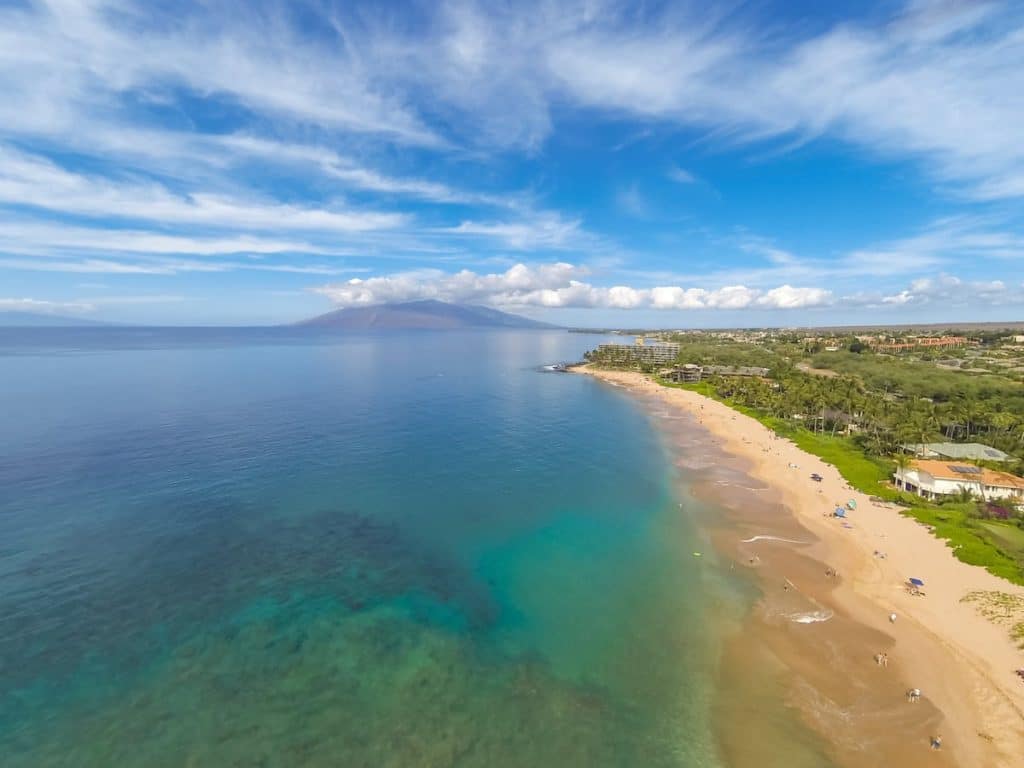
The South Maui coastline stretches from Ma’alaea across and down to Kihei, Wailea, and Makena. Located on the dry leeward side of the island, it is known for sunny weather and a coastline with numerous beaches. For all those reasons, it is a prime destination for visitors. It has a high number of condos geared towards second homeowners, but it also has residential neighborhoods for residents attracted to the laid-back beach lifestyle.
A mix of resort living and residential communities
From Olowalu to the south up to Kapalua on the northwest tip of the island, West Maui is a favorite of both residents and visitors for its beautiful beaches, ocean, and neighbor island views, as well as the stunning backdrop of the West Maui mountains. Lahaina, the heart of West Maui, continues to recover and rebuild in the aftermath of the 2023 fires. Meanwhile, resorts like Ka’anapali and Kapalua still attract new residents and visitors.


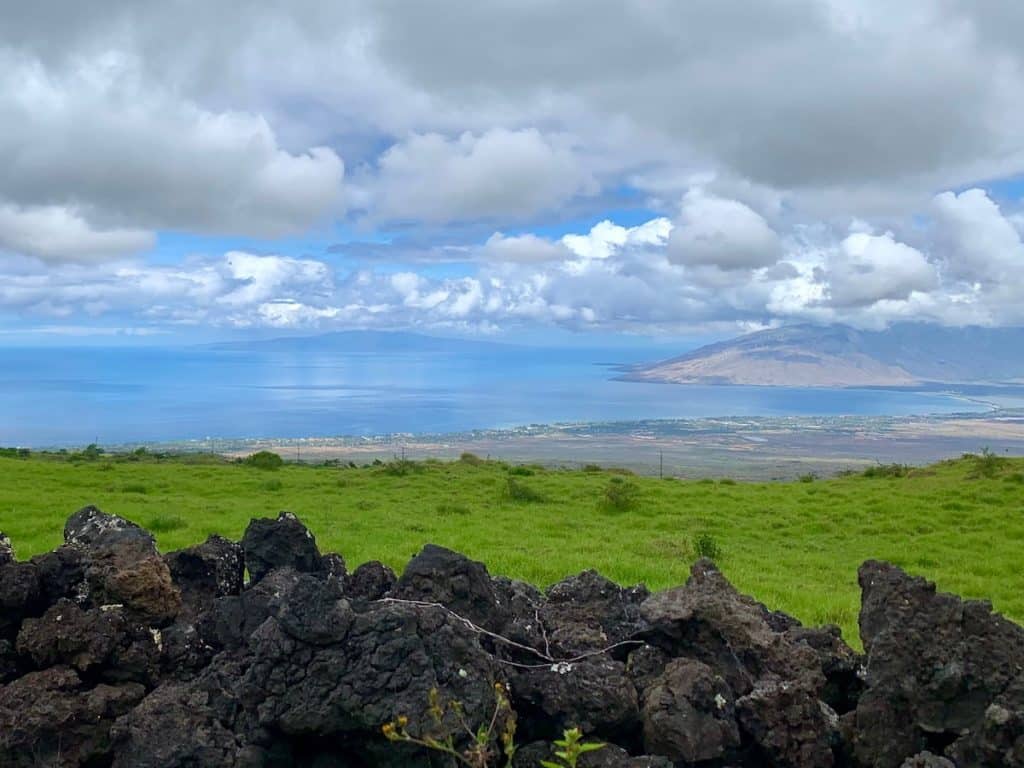

Upcountry Maui includes the communities of Makawao, Pukalani, and Kula. They sit on the west-facing slope of Haleakala at elevations ranging from 1,000 to over 4,000 square feet. The area mixes suburban and rural living with the distinct influence of its ranching and agricultural roots. With fewer visitor accommodations, it has a strong sense of community.