
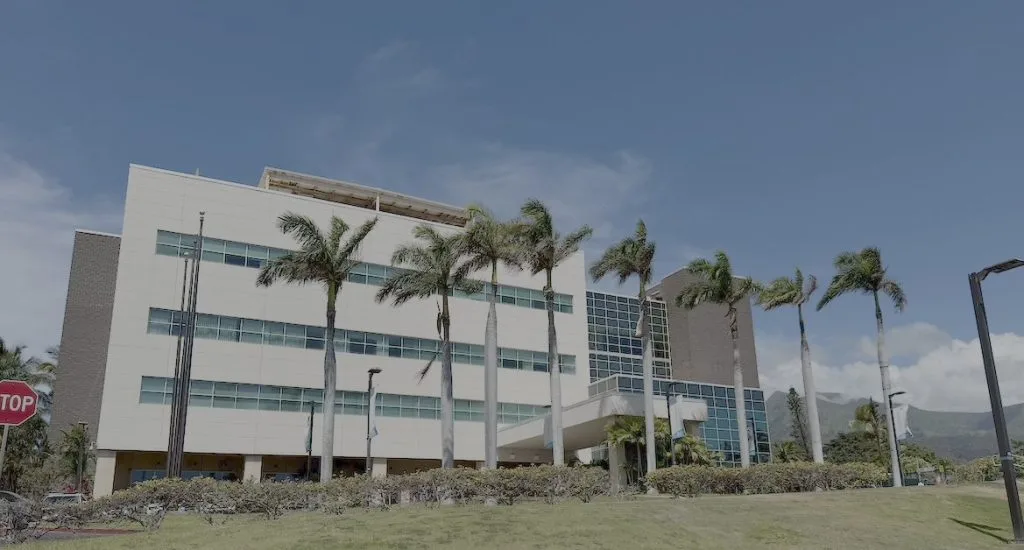
Most people considering Maui healthcare want to know: what’s the situation really like? The main hospital is Maui Memorial Medical Center in Wailuku, which serves as the island’s Level III Trauma Center with 24/7 emergency services. But the healthcare landscape here has some unique aspects that mainland transplants should understand.
We’ve helped many families relocate to Maui, and healthcare access consistently ranks as one of their top concerns. Can I find quality doctors? What happens in an emergency? How does insurance work differently here?
This guide covers everything from emergency services and insurance options to concierge medicine and when off-island care might be necessary.
Key Takeaways:
- Main Hospital: Maui Memorial Medical Center in Wailuku is the island’s only Level III Trauma Center with 24/7 emergency services
- Insurance Options: Kaiser (HMO) and HMSA (PPO) are the primary choices, with different facility access and referral requirements
- Urgent Care: Multiple clinics across the island offer same-day treatment for non-emergency issues
- Specialty Care: Some advanced treatments require travel to Oahu or mainland facilities
- Location Matters: Proximity to healthcare facilities varies significantly by neighborhood, affecting housing decisions
Maui Hospital: Emergency Room and Medical Services
Maui Memorial Medical Center (MMMC) in Wailuku is the island’s main hospital, and honestly, it’s come a long way. The facility recently achieved Level III Trauma Center verification, which means they can handle serious emergencies that used to require immediate transport to Oahu.
We’ve had clients who were initially nervous about the island’s medical capabilities, but MMMC handles over 50,000 ER visits annually. Here’s what you need to know:
Emergency Services:
- 24/7 emergency room with trauma capabilities
- Over 50,000 ER visits annually
- Primary Stroke Center designation
- Coordination with air transport for critical cases
Specialty Services:
- Orthopedic surgery
- Neurosurgical services
- Cardiothoracic procedures
- Cancer treatment coordination
Most Maui residents rely on MMMC for serious medical emergencies and specialized care that urgent care clinics can’t handle. Don’t worry about being stuck making multiple trips to Wailuku for routine care—the hospital works closely with regional clinics for follow-up treatment.
Maui Urgent Care and Hospital Options
For non-emergency issues, you’ve got several options beyond MMMC. We always tell clients to map out the urgent care clinics near their home before they need them. Trust me, you don’t want to be googling “urgent care near me” when you’re dealing with a sick kid or injury.
Kula Hospital in Upcountry Maui handles minor emergencies with much shorter wait times than MMMC. If you’re living upcountry, this is your go-to for non-life-threatening situations.
Urgent Care Options:
- Minit Medical – Locations in Kahului, Kihei, and Ka’anapali
- Doctors on Call – Honokowai and Wailea locations
- Modo – Wailea clinic plus in-home visits
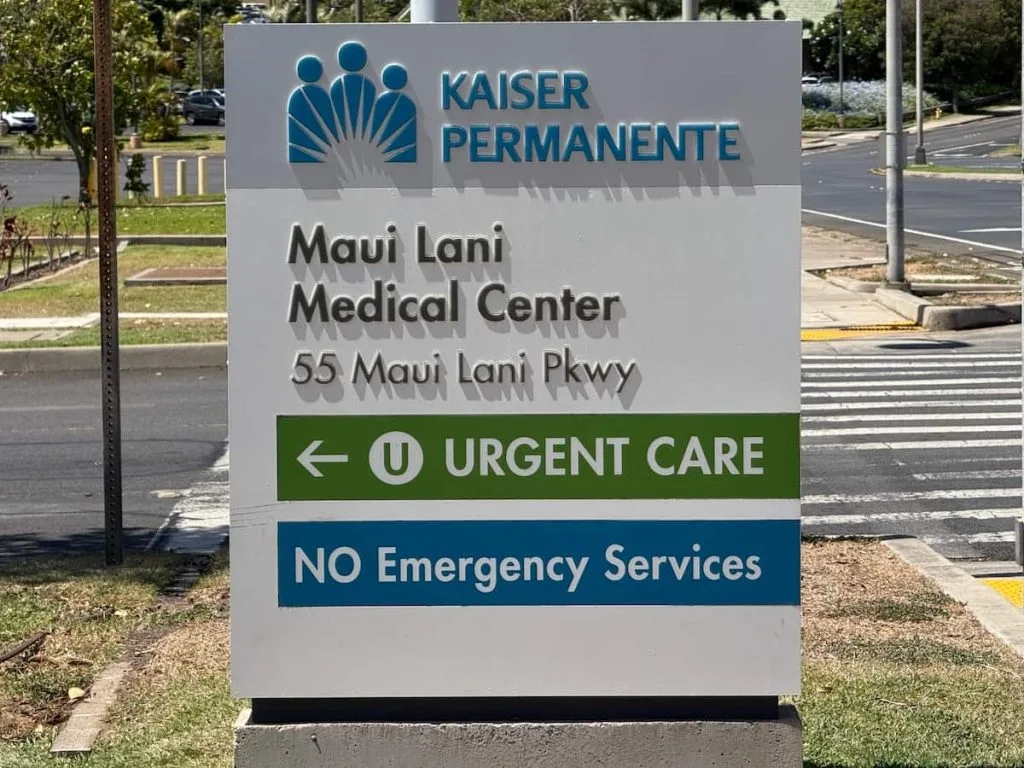
- Kaiser Maui Lani – Kaiser members only
- Maui Medical Group – Wailuku location
- Hana Health – On-call services for East Maui
These clinics handle same-day treatment for flu, infections, minor injuries, and other non-emergency issues. Many have extended hours including weekends, but here’s the catch—you need to verify which clinics take your insurance. Don’t assume they all accept the same providers.
Maui Healthcare Coverage: Insurance Options
Here’s the reality: your insurance choice on Maui will determine where you can get care and how much you’ll pay. It’s not like the mainland where you have dozens of options—the market here is pretty limited, and each insurer has its own network of providers.
We’ve seen clients get frustrated when they arrive on Maui and discover their mainland insurance doesn’t work with local doctors. Do your homework before you move.
Primary Insurance Options
Kaiser Permanente is the largest insurer on Maui and operates as an HMO rather than a PPO. Kaiser’s main facilities are in Wailuku, with smaller offices in Kihei and Ka’anapali. For some specialty care, Kaiser patients need to fly to their Oahu locations, something to consider if you have ongoing health issues.
HMSA (Blue Cross Blue Shield of Hawaii) functions more like a PPO plan. Many large medical offices on the island, including Maui Medical Group, accept HMSA. You’ll generally have more flexibility in choosing providers compared to Kaiser.
Specialized Coverage
AlohaCare serves those eligible for Hawaii’s QUEST (Medicaid) and Medicare programs. If you qualify for these programs, AlohaCare is your main option.
HMAA is an employer-provided health insurance plan. If you’re relocating for work, this might be one of your employer’s options.
The big question: do you prefer an HMO or PPO? If you need specialized care regularly, research which doctors and specialists work with each insurer. Don’t wait until you need care to figure this out.
Concierge Medicine and Direct Primary Care Options
If you’re used to quick access to your doctor and don’t mind paying extra for it, concierge medicine might be worth considering. We’ve had clients who were frustrated with longer wait times for appointments through traditional insurance, so they opted for concierge services.
These practices typically offer longer visits, 24/7 messaging with your doctor, and preventive care services that standard insurance doesn’t always cover. House calls are also an option with some providers—pretty nice when you’re dealing with something minor and don’t want to drive to Wailuku.
Your main options:
- Modo (mobile doctor) offers concierge medicine both at their Wailea facility and in the comfort of your home. They have individual and group plans available.
- Makena Health provides concierge services including longevity medicine, available from their Wailea office or via house calls.
- Ola Loa Family Practice is a mobile practice that combines traditional medicine with herbalism and other wellness approaches.
Keep in mind that concierge medicine is an out-of-pocket expense on top of your regular insurance. But if you value convenience and personalized care, it can be worth the investment—especially if you’re dealing with chronic health issues or just want that extra peace of mind.
Pacific Cancer Institute: Advanced Cancer Care on Maui
One of the biggest improvements to Maui’s healthcare system has been the Pacific Cancer Institute (PCI), located in Wailuku near MMMC. Before PCI, anyone needing cancer treatment had to travel to Oahu or the mainland—a huge burden for families already dealing with a serious diagnosis.
We’ve had clients who were initially worried about moving to Maui because of cancer history in their families. PCI has changed that conversation completely. The institute provides cutting-edge cancer treatment without requiring you to leave the island for most procedures.
What PCI offers:
- Precision radiation therapy (TrueBeam STx, IMRT, SBRT, SRS)
- Dedicated radiation oncology team
- Seamless coordination with your local doctors and MMMC
- Support services through the Pacific Cancer Foundation, including transportation assistance, wellness programs, and financial aid
For many residents, PCI means they can receive high-quality cancer care while staying close to home and their support network. That’s not something you could say about Maui healthcare even ten years ago.
The institute works closely with other specialists and MMMC to ensure you get comprehensive care. If you do need treatments not available on-island, they’ll coordinate with mainland facilities to make the process as smooth as possible.
When You Might Need Off-Island Medical Care
Let’s be honest—living on an island means some medical care just isn’t available locally. We’ve had clients who were surprised by this reality, especially those coming from major metropolitan areas where every specialist is within driving distance.
While Maui’s medical facilities handle most healthcare needs, certain highly specialized services still require travel to Oahu or the mainland. Here’s what you need to know:
Common off-island needs:
- Pediatric intensive care (no dedicated PICU on Maui)
- Complex surgeries not performed locally
- Advanced chemotherapy or radiation therapies unavailable on-island
- Specialized mental health or addiction programs
- Certain cardiac procedures
The good news? If you have chronic or complex health conditions, most insurance plans include coverage for medically necessary off-island care. Some even cover travel and lodging expenses—but don’t assume this. Review your plan’s off-island coverage before you need it.
We always tell clients to factor this into their healthcare planning. It’s not just about the medical costs; it’s about being away from home, coordinating care between islands, and the logistics of traveling when you’re not feeling well.
Healthcare Planning Tips for Maui Residents
Smart healthcare planning on Maui goes beyond just picking an insurance plan. We’ve learned from helping dozens of families that preparation makes all the difference when you actually need care.
Map Out Emergency Care Near Your Home
Don’t wait until you’re in pain to figure out where the nearest urgent care is. Know the route to MMMC from your neighborhood, and keep addresses for urgent care clinics programmed in your phone. If you’re living in remote areas like Hana or Haleakala, this becomes even more critical.
Confirm Insurance Compatibility Early
Call the clinics and specialists you might need and verify they accept your insurance—don’t wait until it’s urgent. We’ve had clients show up for appointments only to discover their coverage wasn’t accepted. That’s not a conversation you want to have when you’re dealing with a health issue.
Explore Concierge Options if You Value Access
If you’re used to same-day appointments and direct access to your doctor, traditional insurance might frustrate you. Concierge medicine isn’t cheap, but it can be worth it for peace of mind.
Plan for Off-Island Care
Research your insurance’s off-island coverage before you need it. Some plans cover travel and lodging; others don’t. Know what you’re responsible for financially if you or a family member needs specialty treatment.
Keep Medical Records Accessible
If you need emergency transport to Oahu, having your medical history readily available can save critical time. Consider digital copies stored securely in the cloud.
Improvements and Challenges with Maui Healthcare
There used to be a saying for Maui residents: “If you’re feeling pain, get on a plane.” Honestly, that’s not the case anymore. Maui healthcare has improved dramatically over the past decade, and we’ve watched this transformation while helping families relocate here.
Major Healthcare Improvements
The changes have been impressive:
- Pacific Cancer Institute bringing advanced cancer treatment to the island
- Improved cardiac care capabilities at MMMC
- Recent Level III trauma center designation
- More talented specialists choosing to live and practice on Maui
We’ve had clients who were initially hesitant about moving here because of healthcare concerns, but these improvements have changed the conversation completely.
Current Challenges to Consider
The reality check: we’re still a relatively small island, so we won’t have the full range of specialists you’d find in a major metropolitan area. Sometimes getting on a plane is still necessary for specialized care—that’s just island life.
Current limitations include:
- Longer wait times to see specialists
- Kaiser members need referrals from their primary care doctor, adding another step
- Remote areas like Hana in East Maui have limited healthcare access—many residents make the trek to Central Maui for specialty care
- If you’re used to abundant healthcare options in urban areas, the limitations might surprise you
We believe in giving our clients the full picture. Healthcare on Maui is good and getting better, but it’s different from what you might be used to on the mainland.
Healthcare and Home Buying: Finding the Right Maui Location
Whether you’re moving to Maui for work, retirement, or lifestyle, healthcare access should be part of your home buying decision. We’ve helped families who initially fell in love with a remote property in Hana, then realized the nearest urgent care was an hour away on a winding road.
Location matters more on Maui than it might on the mainland. Living in Wailuku puts you minutes from MMMC and multiple urgent care options. Choose a home in remote areas, and you’re looking at longer drives when you need medical care.
We’ve helped hundreds of families navigate these decisions, whether they’re healthcare professionals joining local practices or retirees who want to be close to quality medical care. The key is matching your lifestyle and healthcare needs to the right location before you fall in love with a property.
If you’re considering buying a home on Maui, our complete home buying guide covers everything you need to know about the process. Ready to discuss your specific healthcare and location needs? Contact our expert team today