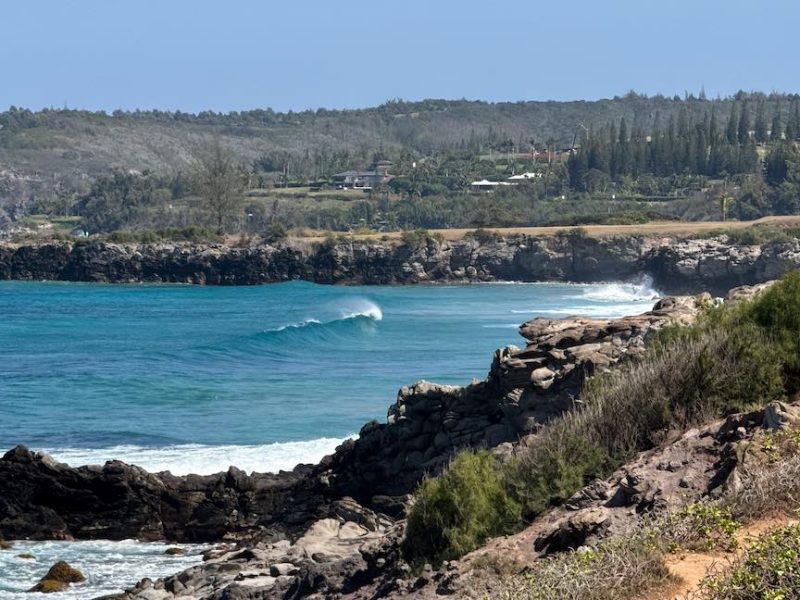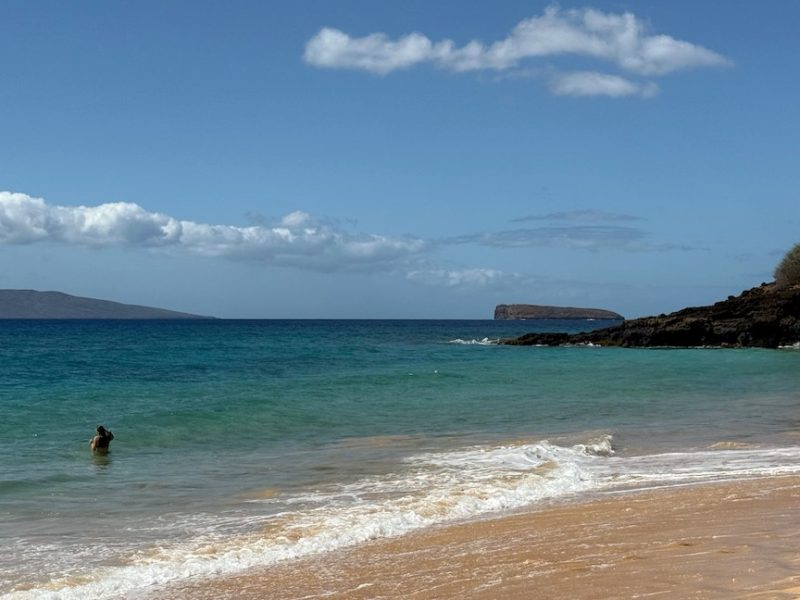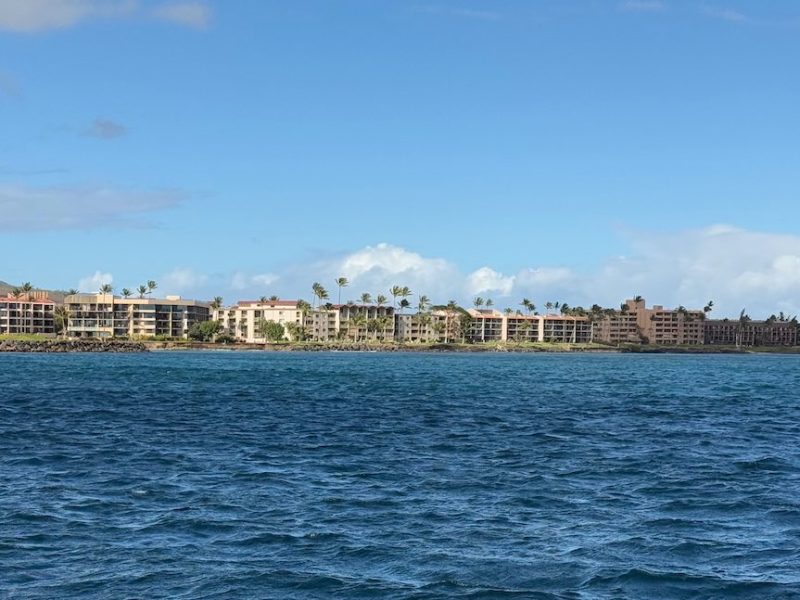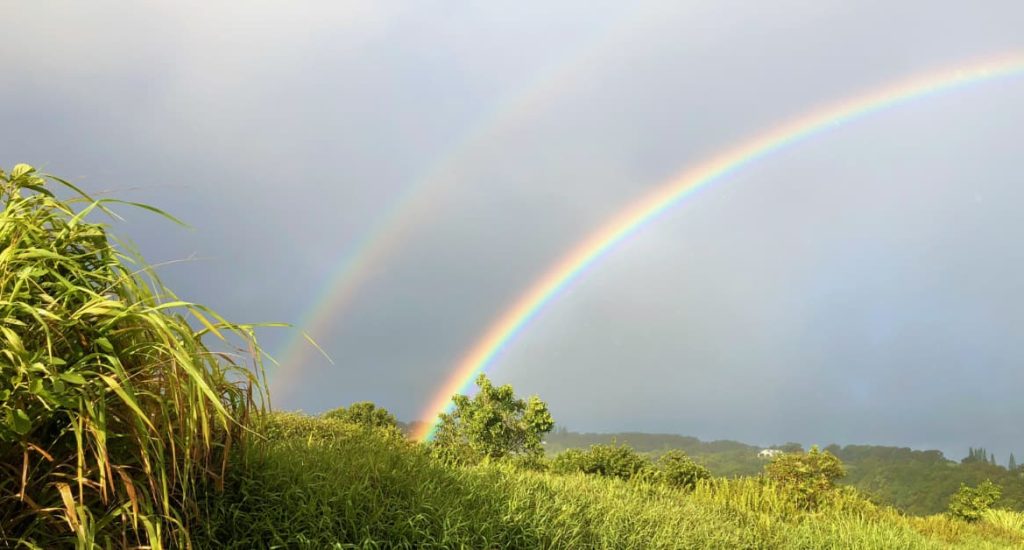
Ask someone who’s never been to Maui about the weather, and you’ll get the usual answer: “It’s warm and sunny.” Maybe they’ll mention trade winds if they did their homework. Look, they’re not wrong, but they’re missing the bigger picture. Maui crams multiple climate zones into a surprisingly small space. We’re talking about places that get 15 inches of rain per year sitting just miles away from spots that get drenched with 100+ inches. If you’re buying property here, this stuff matters way more than you think.
Here’s the thing. We’ve got decades of experience helping people navigate Maui’s weather patterns, and yes, we’ve got a few self-proclaimed weather geeks on our team. These folks bookmark NOAA weather discussions, weather models, long-range outlooks, and local rainfall gauges like most people bookmark social media. We know exactly what each microclimate means for your daily life.
We’re going to walk you through Maui’s weather patterns. Not the textbook version, but the real-world stuff that affects where you want to live. We’ll cover everything from why sunny Kihei feels completely different from rainy Hana (spoiler: it’s not just the rainfall), to the home features that’ll make or break your comfort level in each area.
Key Takeaways:
-
Trade Winds and Big Mountains: Trade winds smashing into Haleakala and the West Maui Mountains create most of our weather drama
- It’s Not Just Wet vs. Dry: Sure, we’ve got windward (wet) and leeward (dry) sides, but there are microclimates within microclimates that’ll surprise you
- Pick Your Spot Strategically: Understanding these weather patterns isn’t just interesting. It’s crucial for choosing the right home
- Match Your Home to the Climate: Some features are must-haves in certain areas, completely unnecessary in others
- We Do Have Seasons: Not four seasons, but wet season and dry season that’ll impact your property differently
- Weather Hazards Are Real: Flash floods, wildfires, and wind storms happen here. Smart buyers plan for them
Why The Weather in Maui Matters When Purchasing Real Estate
Here’s the thing most people don’t realize about buying in Maui: they’re usually focused on ocean views and square footage, but the weather difference between neighborhoods can make or break your happiness here. We’re talking about sun-drenched coastal areas sitting just a few miles from misty Upcountry regions. The climate isn’t just background noise – it’s going to shape how you live every single day.
Some of our clients crave the consistent warmth and sunshine you’ll find in South Maui. Others fall in love with the cooler temperatures and occasional rainfall up in Upcountry. Neither choice is wrong, but boy, do they create completely different lifestyles. We’ve seen buyers choose the wrong climate zone and spend their first year wishing they’d made a different call.
That’s where our weather expertise comes in. We don’t just show you properties – we help you understand what each microclimate feels like to live in. Will you need air conditioning? How about heating? What’s the bug situation like? These aren’t just nice-to-know details. They’re the difference between loving your new home and counting down the days until you can move again.
What Are Trade Winds and Why Do They Matter?
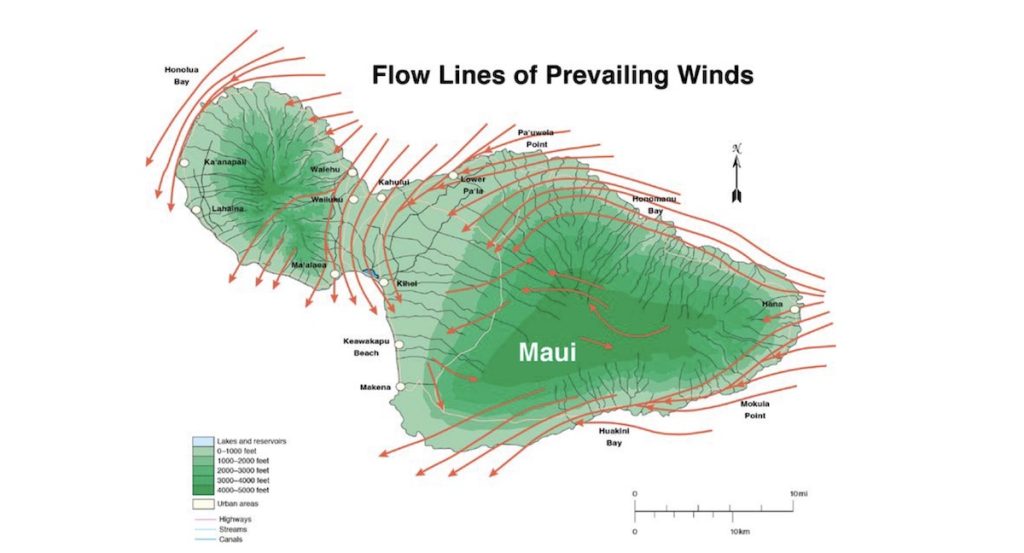
Maui sits right in the trade wind belt, where these breezy winds blow from the east and northeast for most of the year. Here’s why this matters for your daily comfort: trade winds are basically nature’s air conditioning system. They make Maui feel way less hot and muggy than other tropical places, even though we’re pretty far south. When the trades are blowing, even a hot day feels manageable. When they’re not? That’s when you really appreciate having AC.
But here’s where it gets interesting. These trade winds don’t just blow straight across the island. When they hit Maui’s terrain features, they shift direction and create all sorts of weather patterns that’ll affect where you want to live.
How Maui’s Mountains Create Wet and Dry Zones
Picture this: trade winds carrying moisture slam into our two massive mountains. Haleakala (over 10,000 feet tall) and the West Maui Mountains (almost 6,000 feet). It’s like pressing a wet sponge against a wall. All that moisture gets squeezed out on the eastern and northern slopes. We’re talking about areas that can get over 300 inches of rain per year. That’s why places like East Maui and the North Shore stay lush and green year-round.
These wetter areas are called “Windward Maui.” They face the direction the trade winds blow from. This includes parts of Central Maui and the northern tip of West Maui too.
Now here’s the flip side: those same mountains create a “rain shadow” on the other side. Most of the moisture can’t make it over Haleakala or the West Maui Mountains to reach the south-facing and western coastlines. These drier areas are called “Leeward Maui.” They include South Maui, Kula, and most of West Maui. That’s your sunny, desert-like climate right there.
Maui’s Weather Microclimates: Choosing Your Perfect Climate Zone
What makes Maui’s weather truly exceptional? The diversity of microclimates packed into a relatively small geographic area. We’re talking about six distinct climate zones, each with its own personality. Some are sunny and dry, others are lush and rainy. Some need air conditioning, others might need heating. The crazy part? You can drive from desert-like conditions to tropical rainforest in about 30 minutes.
Here’s what we’ve learned after helping hundreds of buyers: your climate zone choice is going to shape everything. Your electric bill, your daily routine, even what clothes you pack. Love morning coffee on a cool lanai? You’ll want to look Upcountry. Prefer never needing a sweater? South Maui might be your spot. Want that tropical, jungle vibe? East Maui has you covered.
We’re going to break down each climate zone so you know exactly what you’re getting into. No surprises, no “wish we’d known that before we bought” moments.
West Maui Weather: Your Complete Guide
West Maui is where most people picture themselves living when they dream about Maui. Sunny, dry, and consistently beautiful weather – it’s got that classic tropical paradise vibe. But here’s what most people don’t realize: West Maui actually has some surprising weather variations as you move up the coast. We’re going to break down what you can expect in each area and what that means for your daily life.
What’s West Maui Weather Really Like?
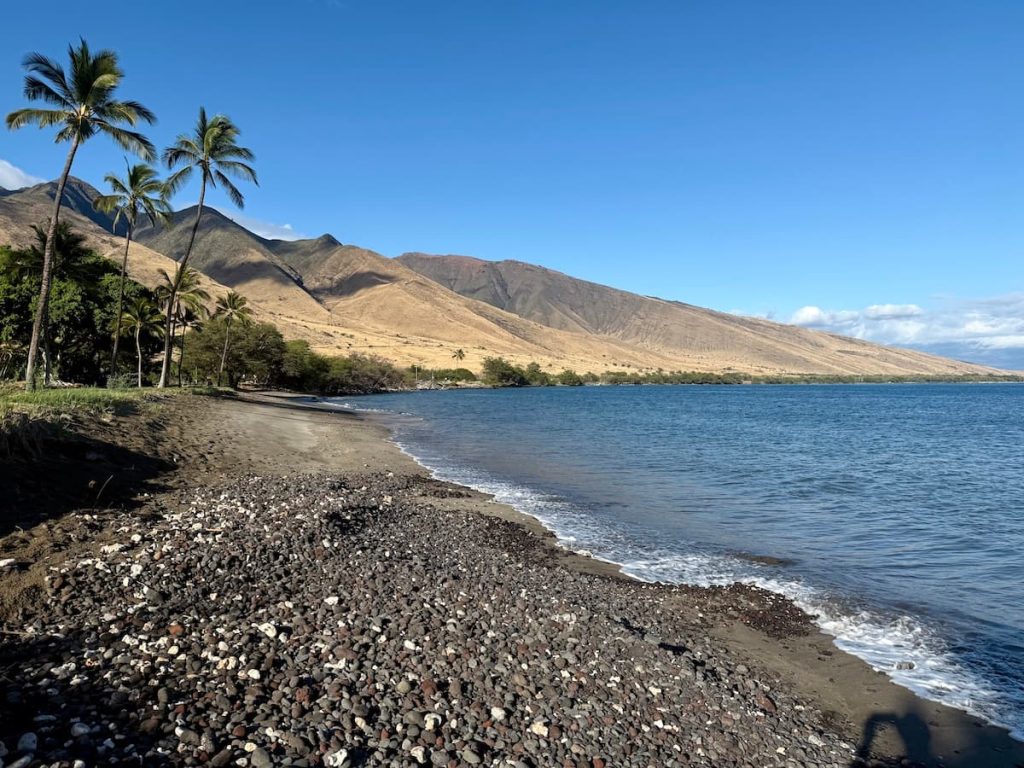
Most of West Maui sits in what we call the “rain shadow” of the West Maui Mountains. Picture this: the 5,788-foot-tall Pu’u Kukui acts like a giant umbrella, blocking most of the weather that trade winds try to bring in. That’s why areas like Ka’anapali and Lahaina are so consistently sunny and dry. We’re talking about 20 inches or less of rain per year, along with plenty of sunshine.
But here’s where it gets interesting. As you head north up the coast from Lahaina, the rainfall gradually increases. The West Maui Mountains become less of a barrier to those passing trade showers. Napili, Kahana, and Honokowai get closer to 30 inches annually.
Right around Napili, you actually transition from leeward to windward Maui. Kapalua gets more rain than Napili, with neighborhoods like Honolua Ridge and Plantation Estates receiving 40-60 inches of rain annually. But don’t worry – Kapalua still offers generally sunny weather and has its own unique appeal with cooler summers, increased rainfall, and naturally lush surroundings.
Wind patterns are pretty interesting too. Lahaina has the lightest winds in the area, though it can still get hit with stronger wind events. As the trade winds interact with the terrain, they shift directions throughout the day. Closer to Lahaina, winds can actually swirl and change directions, and under certain conditions, you’ll get stronger downslope winds coming off the West Maui Mountains.
What to Look for in West Maui Homes
When you’re looking at properties near Lahaina and Ka’anapali, staying cool should be your top priority. Summer days can get pretty warm to hot. These are communities where most buyers want some sort of air conditioning – central or split systems work best because they’re more efficient.
As you move up the coastline toward Kapalua, wind orientation becomes crucial. You’ll want your outdoor living spaces facing northwest or west. When your home is oriented that way, it can actually serve as a buffer from the winds, making your lanai much more comfortable.
South Maui Weather: Your Complete Guide
South Maui is hands down the driest part of the island, and that’s exactly why so many people fall in love with it. If you’re dreaming of consistent sunshine and minimal rain, this is your spot. But don’t think it’s just boring, sunny weather every day – South Maui has some pretty cool weather quirks that can actually make your life more comfortable.
What’s South Maui Weather Really Like?
South Maui gets 15 inches or less of rain annually – we’re talking desert climate territory here. The precipitation is pretty uniform between different communities, so whether you’re in Kihei or Wailea, you’re getting that consistently dry weather.
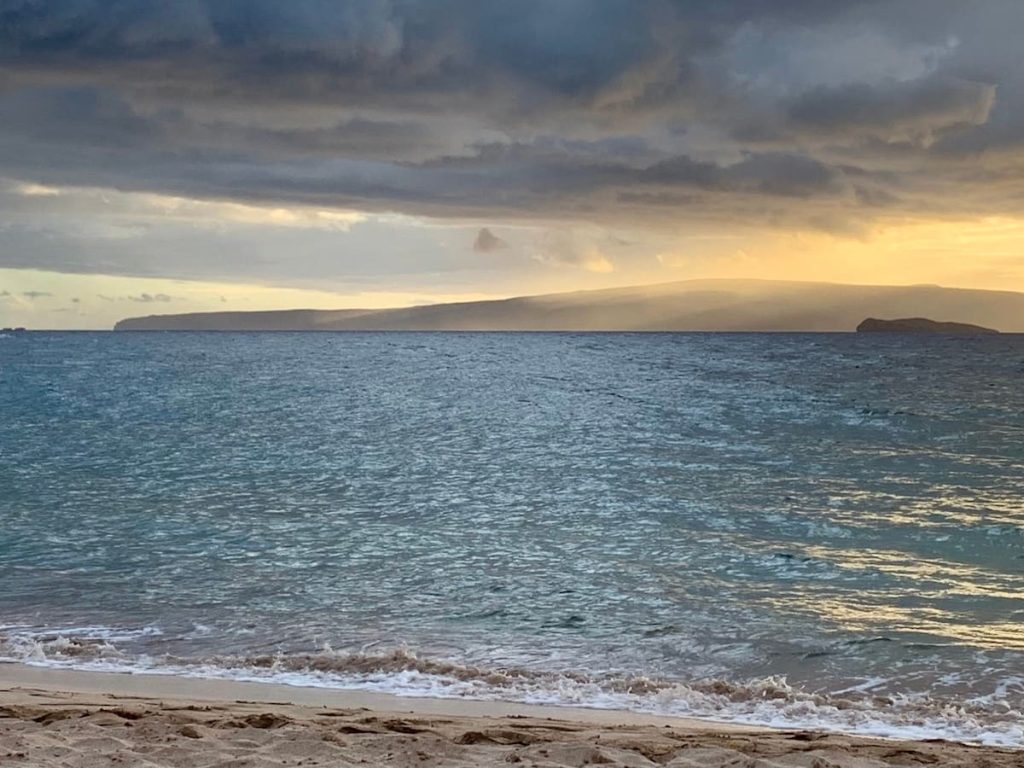
But here’s something really cool: parts of Wailea and Makena get natural air conditioning from something called the “Makena Cloud.” When trade winds blow, clouds start building up the slopes of Haleakala. As the day goes on, this cloud stretches out over Makena, blocking those harsh afternoon sun rays. Sometimes this convection even brings thunderstorms or rain showers – pretty rare for South Maui!
Trade winds hit all of South Maui, but some spots get it worse than others. Ma’alaea is one of the windiest places on the entire island because of something called the Venturi effect. Winds get funneled down Maui’s Central Valley between Haleakala and the West Maui Mountains, sometimes hitting 30+ mph. That’s way breezier than other South Maui areas.
Here’s a bonus: South Maui’s ocean conditions are generally calmer. While the North Shore gets hammered with big winter waves, the south and west-facing coastline stays protected from those winter swells. That’s why South Maui is such a hit with vacation and second home owners – your odds of good weather are just better here.
What to Look for in South Maui Homes
Just like West Maui, most buyers want air conditioning when shopping in South Maui. Late spring through early fall can get pretty warm to hot. Even though the trade winds blow during this time, they can actually bring dust from those dry agricultural fields in Central Maui. Not exactly what you want blowing through your house.
Here’s something important: Kihei and Maui Meadows have seen way more flash flooding over the last decade during winter storms. Before you buy, definitely check out the Flood Hazard Assessment tool to see if your potential property has any flood risk. Better to know now than find out the hard way.
Things to Keep in Mind when shopping for South Maui Homes
Like much of West Maui, the majority of home buyers prefer homes with air conditioning when shopping in South Maui. Temperatures from the late spring to early fall can be quite warm to hot. While the trade winds blow during this time of the year, they can also bring dust from drier and fallow agricultural fields in Central Maui.
The communities of Kihei and Maui Meadows have seen increased incidences of flash flooding over the last decade during winter storms. Buyers should utilize sites like the Flood Hazard Assessment tool to evaluate the risk of flooding when considering properties.
East Maui Weather: Your Complete Guide
East Maui is like stepping into a completely different world. We’re talking about lush, tropical paradise with waterfalls, abundant greenery, and that authentic Hawaiian rainforest vibe. But here’s the reality check: this beauty comes with a lot more rain than most people expect. If you’re dreaming of rural living, privacy, and gardening opportunities, East Maui might be perfect for you. Just know what you’re signing up for weather-wise.
What’s East Maui Weather Really Like?
East Maui, including the beautiful town of Hana, gets significantly more rainfall than the rest of the island. We’re talking about 100+ inches annually in some spots. That’s what creates this incredibly lush, tropical environment that makes East Maui so special.
But here’s something interesting about East Maui rainfall – it’s not uniform across the area. The area near and immediately south of downtown Hana actually gets the least amount of rain in East Maui, averaging between 60-70 inches per year. Head south of Hana toward Kipahulu, and the rainfall picks up again. Then, as you go south and west of Kipahulu, you actually transition back toward leeward Maui near the small community of Kaupo.
Go north of Hana town, and you’ll see rainfall totals increase significantly. Neighborhoods like Hana Ag Park get closer to 80 inches of rain per year. Nahiku is one of the island’s wettest communities, with annual rainfall exceeding 110 inches. That’s a lot of rain.
The trade winds don’t blow as strongly in East Maui, especially compared to the nearby North Shore. When you combine weaker trade winds with all that increased rainfall, the weather can feel muggier than other parts of the island.
What to Look for in East Maui Homes
Precipitation and airflow are your two biggest considerations when shopping in the Hana area. While places like Nahiku offer lower prices and beautiful scenery, you better be comfortable with extended periods of rain and everything that comes with 100+ inches of rain per year.
Airflow is absolutely critical in high-precipitation environments. Even with good airflow, mold and mildew can be ongoing maintenance concerns in high-rainfall areas. Drainage away from the home and quality gutters aren’t just nice to have – they’re essential. Also, count on more maintenance overall, as all that tropical moisture will result in more wear and tear on your structure.
Look for homes with good cross-ventilation, covered outdoor spaces with deep overhangs, and materials that can handle the constant moisture. This isn’t the place for high-maintenance finishes.
North Shore Weather: Your Complete Guide
North Shore is where Maui gets really interesting from a weather perspective. This area has some of the most dramatic microclimates on the entire island – we’re talking about neighborhoods that can differ by 60+ inches of rainfall within just a few miles of each other. If you’re a water sports enthusiast drawn to world-class windsurfing and kitesurfing, or someone who loves lush tropical surroundings, North Shore has some amazing options. Just know that wind and weather patterns here can make or break your daily comfort.
What’s North Shore Weather Really Like?
The North Shore spans a huge geographic area, and the weather differences are pretty dramatic. Haiku is the perfect example – precipitation increases as you head east and gain elevation. The wettest parts of Haiku include areas like Huelo, Kailua, Five Corners, and Awalau. All of these places average over 80 inches of rain per year, with some getting over 100 inches. Some people actually call the western areas of Haiku “Dryku” because they’re relatively drier at 40-60 inches annually.
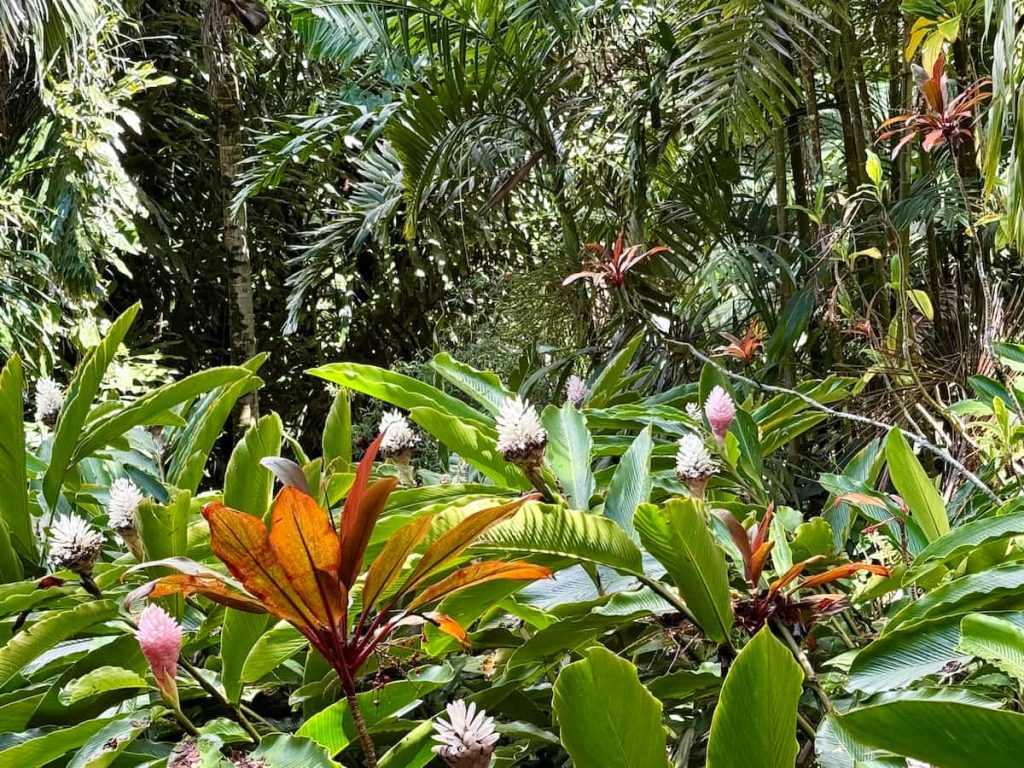
Haiku gets precipitation throughout the year, mostly from passing trade showers. These brief showers are what make Haiku a mecca of rainbows and keep everything lush and green. The frequency and intensity of trade showers increase in winter, and sometimes you can have a month or two of really wet trade wind weather. The good news? Sunshine usually isn’t too far of a drive if you need a break from the rain.
Now, wind is huge in North Shore – more than any other community on the island. In Haiku, your home’s orientation to the wind can completely change how you live. Trade winds can be your friend (they create airflow, reduce mold and mildew, cut down on mosquitoes, and make things feel cooler) or your enemy (if your outdoor spaces face directly into gusty winds, you won’t use them much).
The North Shore communities of Paia and Spreckelsville are world-renowned for windsurfing, kitesurfing, and wing foiling. Located further west than Haiku, they’re also drier. Paia averages about 25-30 inches of rain annually, while Spreckelsville is closer to 20 inches.
What to Look for in North Shore Homes
Living in an area that gets 50 inches of rain per year is completely different from an area with 90+ inches. In the wetter areas of Haiku, you’ll get incredible tropical beauty, but expect more home maintenance. Good drainage away from the home and quality gutters are absolutely essential. Good airflow helps reduce mold and mildew potential, but it won’t eliminate the risk entirely. Dehumidifiers are your friends during rainy periods, especially in closets with limited airflow.
Make sure covered outdoor areas have deep overhangs so passing rain showers don’t chase you indoors. And here’s something important about wind orientation: if your main outdoor space faces directly into gusty trade winds, that area is going to be underutilized. One of the best parts of living on Maui is indoor/outdoor living, so orientation matters.
One more tip: when you’re shown a property, you’re getting a single snapshot of the weather. There are light wind days, and during winter, there are extended periods with no trade winds. We try to arrange showings in different weather conditions when possible so you can get a real feel for what living there would be like.
Upcountry Weather: Your Complete Guide
Upcountry is where you go when you want to escape the heat and humidity of the coast. Ranging from 1,200 to 4,000 feet in elevation, this area offers cooler temperatures, stunning views, and a completely different lifestyle from beach living. If you’re someone who misses having actual seasons or loves the idea of needing a hoodie for your morning coffee, Upcountry might be calling your name. But elevation brings its own weather challenges that you need to understand.
What’s Upcountry Weather Really Like?
Upcountry covers a huge area with dramatic elevation differences, so the weather varies significantly depending on exactly where you are. Makawao sits on the northwest flank of Haleakala, right on the edge of windward Maui. Downtown Makawao historically averaged about 60 inches of rain per year, though recent totals have been trending lower. The trade winds help keep things cool, but they can get pretty gusty in Makawao.
Within Makawao, you’ve got different microclimates based on elevation. Lower areas like Hali’imaile and Sunnyside (800-1,200 feet) are warmer than downtown Makawao and get slightly less rainfall. Then you’ve got Olinda up higher (1,800-4,000 feet), where the highest elevations can get chilly winter nights with lows in the high 40s. Even within Olinda, there are differences – areas accessed by Piiholo Road get about 70-75 inches of rain annually, while Olinda Road areas get 60-70 inches.
Pukalani is located further south on Haleakala (1,100-2,200 feet), where the mountain shields it from some of the weather that hits Makawao. In general, Pukalani is sunnier, warmer, and drier than Makawao, though it still gets cooling trade winds.
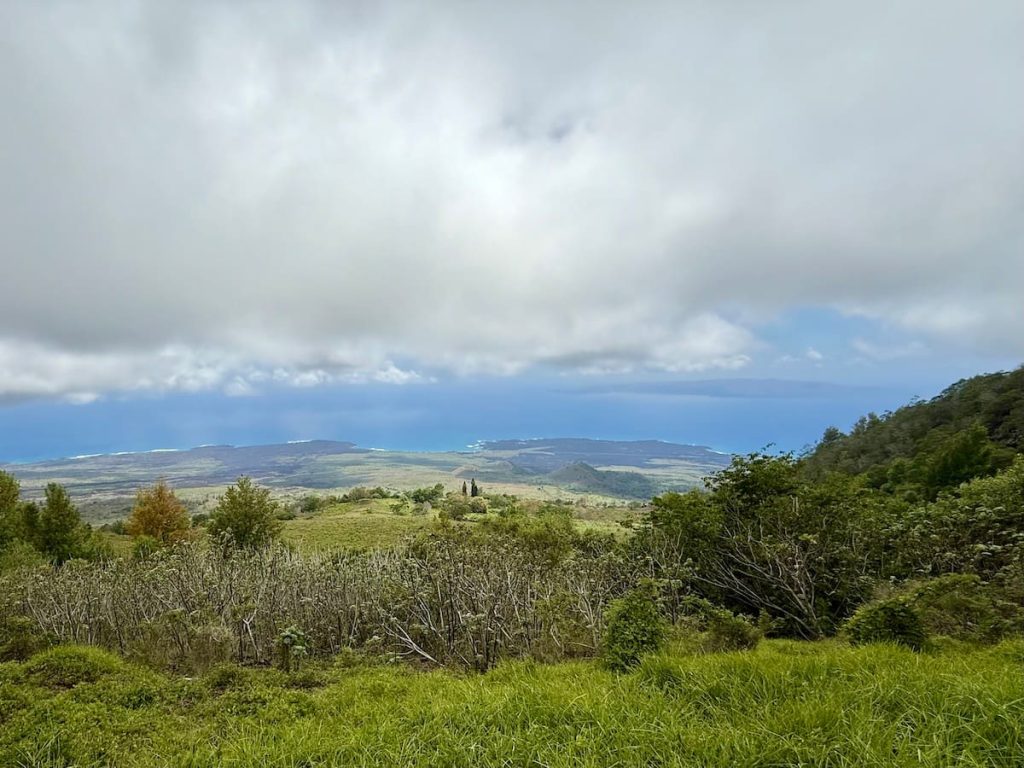
Kula covers the western flank of Haleakala, and elevation makes a huge difference here. Lower Kula areas are warm to hot and sunny. Around 2,500 feet, you start seeing a shift – afternoon cloud cover begins cooling temperatures. The higher you go, the more misty afternoons and greener conditions you’ll find. The highest elevations regularly see winter lows in the upper 40s.
What to Look for in Upcountry Homes
Upcountry is one of the few places on Maui where you might actually need heating. Above 3,000 feet, a fireplace, wood stove, baseboard heating, or heat pump can be really beneficial for beating back the chill.
Homes with western exposures can get quite warm from afternoon sun, especially in Lower Kula, Pukalani, and some higher Kula elevations. We’re seeing more air conditioning units installed in homes that heat up from afternoon sun. Having a deep covered lanai or sun shades can help keep that afternoon sun from heating up your home.
If you’re looking in the wetter parts of Olinda, consider features that help with moisture issues – good drainage away from the home and airflow to reduce mold and mildew. Fireplaces or wood stoves can help heat your home and burn off moisture at the same time.
Central Maui Weather: Your Complete Guide
Central Maui is where most people first experience Maui – it’s home to the airport and the main commercial areas. But here’s what’s interesting: Central Maui has some pretty varied weather patterns depending on how close you are to the West Maui Mountains. If you’re drawn to the convenience of central locations with good access to the rest of the island, this area has some solid options. Just know that proximity to the mountains creates some unique weather considerations.
What’s Central Maui Weather Really Like?
Central Maui experiences a moderate mix of sun and rain, but there’s some real variability depending on your exact location. The biggest difference comes down to the West Maui Mountains and elevation.
Kahului is relatively dry, getting about 15-20 inches of precipitation per year. With its lower elevation and good sun exposure, Kahului can get pretty warm. The good news? It gets solid exposure to trade winds, which helps it feel cooler than it actually is.
Wailuku is a bit wetter than Kahului, with annual precipitation ranging from 20-50+ inches depending on where you are. Those higher precipitation totals tend to be up on the flanks of the West Maui Mountains, in Iao Valley, or other valleys that cut into the West Maui Mountains. Being close to the West Maui Mountains also brings afternoon cloud cover. Just like with Haleakala, clouds can build over the West Maui Mountains when the trade winds are blowing.
Here’s something worth noting about Wailuku properties: with the cloud cover and steep West Maui Mountains to the west, parts of Wailuku get limited afternoon sun. That actually keeps temperatures cooler than Kahului, which some people really appreciate.
What to Look for in Central Maui Homes
Kahului is an area where summer temperatures make air conditioning pretty appealing. It does get good trade wind flow, but it’ll feel especially hot on those lighter trade wind days.
If you’re looking at properties close to the ocean in Central Maui, you should budget for higher home maintenance costs. While neighborhoods like Oceanview Estates offer good value for their views and proximity to the beach, there’s a tradeoff. This east or northeast-facing coastline faces right into the trade winds. Salt air blowing in with the trades can damage exterior fixtures, exposed metal, and even shorten the lifespan of appliances and electronics.
The closer you are to the ocean, the more you’ll need to plan for saltwater corrosion and the maintenance that comes with it.
Seasonal Weather Patterns in Maui and Their Real Estate Impact
While Maui enjoys relatively stable temperatures year-round, the weather in Maui does have seasonal variations that potential property owners should understand. We’re not talking about four distinct seasons like the mainland, but we do have two main seasons that can seriously impact your daily life and property maintenance. Understanding these patterns helps you make smarter decisions about everything from when to visit properties to what home features you’ll actually need.
Dry Season Weather in Maui (April-October)
Kau is the Hawaiian word for dry season, and it runs from spring through mid-fall. This is when Maui weather gets consistently warm and dry, with temperatures occasionally hitting the low 90s in coastal areas. The good news? Trade winds blow most frequently during this time, which helps keep things feeling cooler than the thermometer suggests.
Here’s what to expect: precipitation during dry season mostly falls in windward areas like the North Shore and East Maui, usually as brief trade wind showers. Upcountry might get occasional misty rain at higher elevations or convective showers if trades are light. Leeward areas get very little rain, if any.
It’s not uncommon to have periods where the trades completely shut down between late August and early October. Those are hands down the hottest days of the year. If you’re looking at properties during this time, you’ll really understand why air conditioning matters in certain areas.
This drier time of year is also when the Hawaiian Islands are most at risk for wildfire. After the tragic fires in Lahaina and Upcountry in 2023, communities are really stepping up efforts to mitigate fire risk through firebreaks and replacing fire-prone invasive species with native plants.
Wet Season Weather in Maui (November-March)
The wet season is called Ho’oilo in Hawaiian, and it brings cooler temperatures and increased rainfall. Trade showers can increase in frequency and intensity in windward areas. Bigger cold fronts and low-pressure systems can bring island-wide rain – this is when the drier leeward parts of the island get the bulk of their yearly precipitation.
Trade winds are still common during wet season, but they don’t blow as consistently as during dry season. The frequency and duration of wet season rain events can vary a lot depending on whether it’s an El Niño, La Niña, or neutral winter weather pattern.
Here’s something cool though: the weather between rain events can be some of the best we experience all year. We’re talking about warm but not hot days, cooler nights, and crystal clear skies over Haleakala and the West Maui Mountains. It’s pretty spectacular.
When we’re evaluating properties with clients, we always consider these seasonal weather impacts on specific locations. It helps us guide people toward homes with the right features for their preferred region’s weather patterns.
Climate Change and Weather Hazards: What Maui Homeowners Need to Know
Living in paradise doesn’t mean you’re immune to changing weather patterns and natural hazards. Maui’s climate is shifting, and smart homeowners need to understand both the long-term trends and the specific weather risks that come with island living. This isn’t about fear-mongering, it’s about making informed decisions that protect your investment and keep your family safe.
How Climate Change is Affecting Maui Weather
Maui isn’t immune to climate change impacts. While the changes haven’t been as dramatic as some other parts of the planet, we’re definitely seeing warmer temperatures and less precipitation than historical averages.
What does this mean for property buyers? Well, air conditioning used to be pretty rare on the island. Homes were designed to maximize airflow and take advantage of cooling trade winds. Ceiling fans boosted the airflow, and residents just dealt with that one or two hot weeks in late summer when you wished you had AC. As the number of hot days grows, more and more homeowners are choosing to install air conditioning.
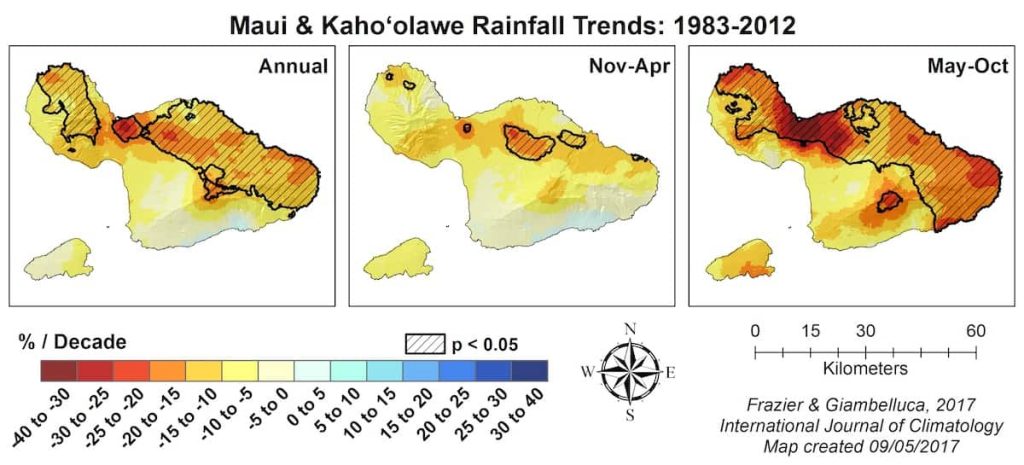
Drier weather also means summer drought is becoming relatively common. While the North Shore and Upcountry get more rain than many areas of the island, the municipal water supply for those parts is more dependent on rainfall and surface water than the aquifer-dependent water supply for other parts of the island. Summer drought often leads to water restrictions that can impact your landscaping and gardens.
Climate change should also be considered when evaluating coastal properties. The state of Hawaii has produced sea level rise maps with expected impacts to shorelines at 0.5, 1.1, 2.0, and 3.2 feet of sea level rise.
Weather Hazards to Plan For
While Maui’s weather is typically beautiful, it’s important to be aware of and prepared for weather hazards. Flash flooding is the most common weather hazard on the island, followed by high wind events, wildfire, and tropical weather systems.
Flash flooding typically occurs during Ho’oilo (wet season). While you might expect flash flooding to impact windward Maui more, leeward communities have actually taken the brunt of storms over the last five years. While structural damage is less common, flooding can shut down roads and parking lots and damage infrastructure.
The Hawaiian Islands have a long history of wildfires, but fire is becoming more frequent due to a combination of summer drought and invasive plants and grasses that are more fire-prone. Strong wind events triggered the devastating Lahaina and Upcountry fires of 2023, as well as the fire near Lahaina in 2018. Communities affected by these fires are putting serious effort into wildfire mitigation by clearing firebreaks and removing invasive fire-prone species, replacing them with native plants. Kula residents, in particular, are getting better prepared after being hit hard by summer wildfires.
Hurricane season for the Central Pacific runs from June through November. While Maui has had very few direct hurricane hits in the historical record, we’ve had some close calls and recent experiences with tropical storms and depressions. Hurricane insurance is advisable and required by most lenders.
Even though hurricanes aren’t common, the winter storm systems that bring island-wide precipitation can bring advisory and warning-level winds exceeding 50 mph. Particularly strong winds can lead to longer power outages. Many homeowners have generators or batteries for their solar systems to power their homes during extended outages.
The Maui Real Estate Team: Your Weather and Property Experts
With over 30 years of experience across Maui’s diverse climate zones, we bring exceptional weather expertise to your home-buying journey. This isn’t just about showing you properties – we understand how each microclimate feels throughout the year, and we use that knowledge to help you find a home that delivers the living environment you’re actually looking for.
Our weather expertise includes:
- Which areas get hit hardest by trade winds and where afternoon clouds roll in
- Which elevations start needing heating in winter vs. AC in summer
- Seasonal patterns that affect your daily comfort and utility bills
- Specific neighborhoods, streets, and even individual property lots
- Home features that work best in each climate zone
Here’s what makes us different: we’ve seen too many buyers choose the wrong microclimate and spend their first year wishing they’d made a different decision. Maybe they picked a spot that’s too windy for their lanai, or too hot without realizing they’d need expensive AC, or too rainy for their lifestyle.
That’s why we:
- Arrange showings in different weather conditions when possible
- Point out seasonal patterns that matter for your daily comfort
- Help you spot home features that work best for your chosen climate zone
- Take time to explain what living in each area actually feels like
Because at the end of the day, the right weather match is just as important as the right house – maybe even more so.
The Weather in Maui: Finding Your Perfect Climate Match
Maui’s extraordinary diversity of weather patterns means there’s a perfect spot for virtually everyone on the island. Rather than settling for a generic property, you have the opportunity to select a microclimate that truly resonates with your lifestyle preferences.
The weather isn’t just background noise in your Maui home decision. It’s going to shape everything from your utility bills to your daily routine. That’s why we take the time to help you understand these patterns before you buy.
Ready to find your ideal climate zone in Maui? Contact the Maui Real Estate Team today to begin your weather-informed property search!