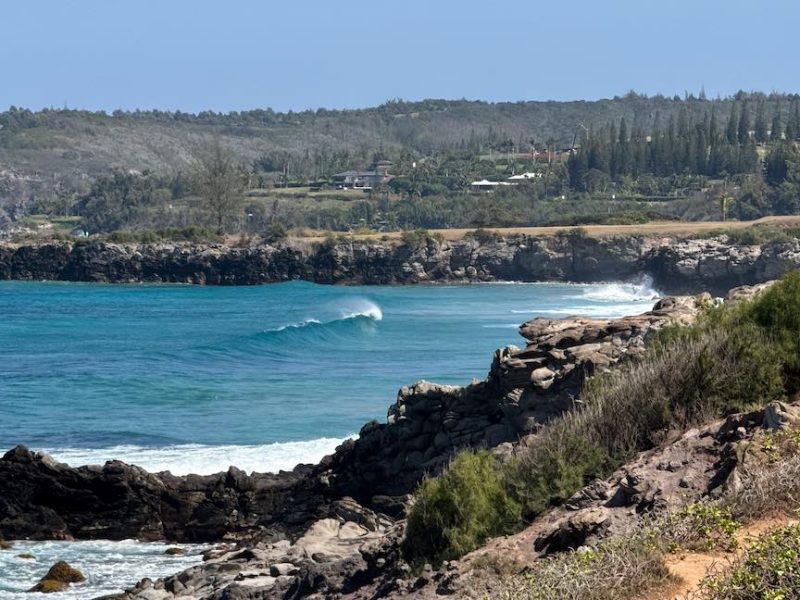
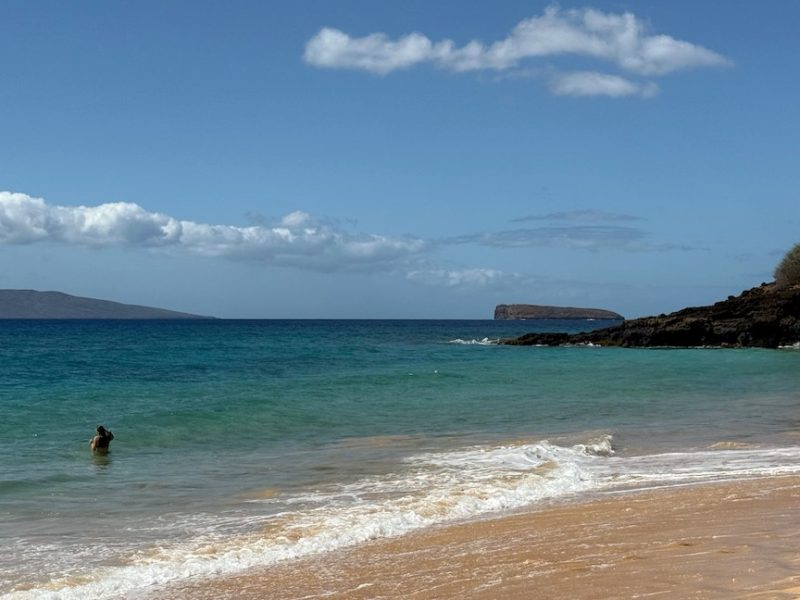
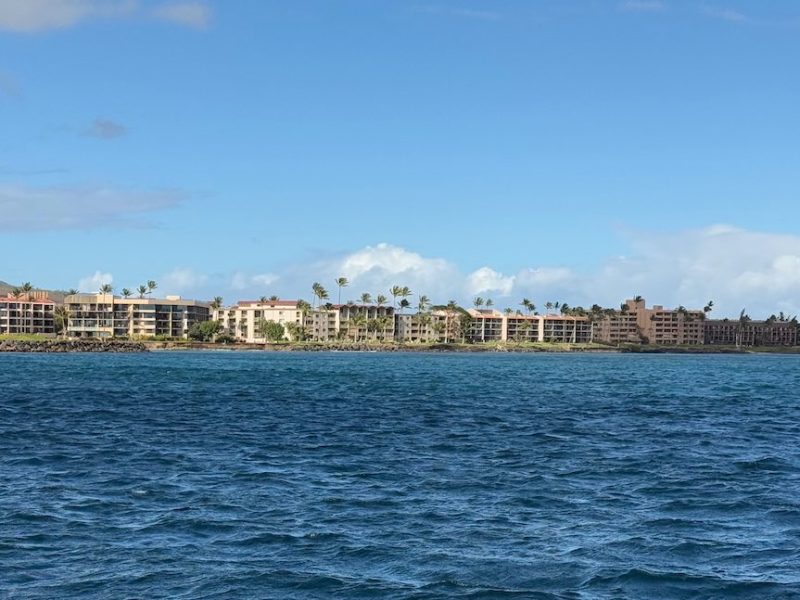
The lure of living along the ocean is undeniable. The smell of salt in the air, the sound of waves breaking on the shoreline, and the stunning blues of Hawaii’s coastal waters are all part of the multisensory appeal. Add in the relative scarcity of oceanfront properties, and it is easy to understand why oceanfront homes sell for a premium. If you are considering the purchase of a Maui oceanfront home, we have compiled this comprehensive guide to assist you in your search.
This post addresses some key questions to consider when buying a Maui oceanfront home. It also provides an overview of the various types of oceanfront homes and the diverse lifestyles that can be found in the different areas and communities of the island. While we are all aware of the benefits and appeal of oceanfront living, this post also provides an unvarnished look at the potential challenges, costs, and hazards associated with owning a Maui Oceanfront Home.
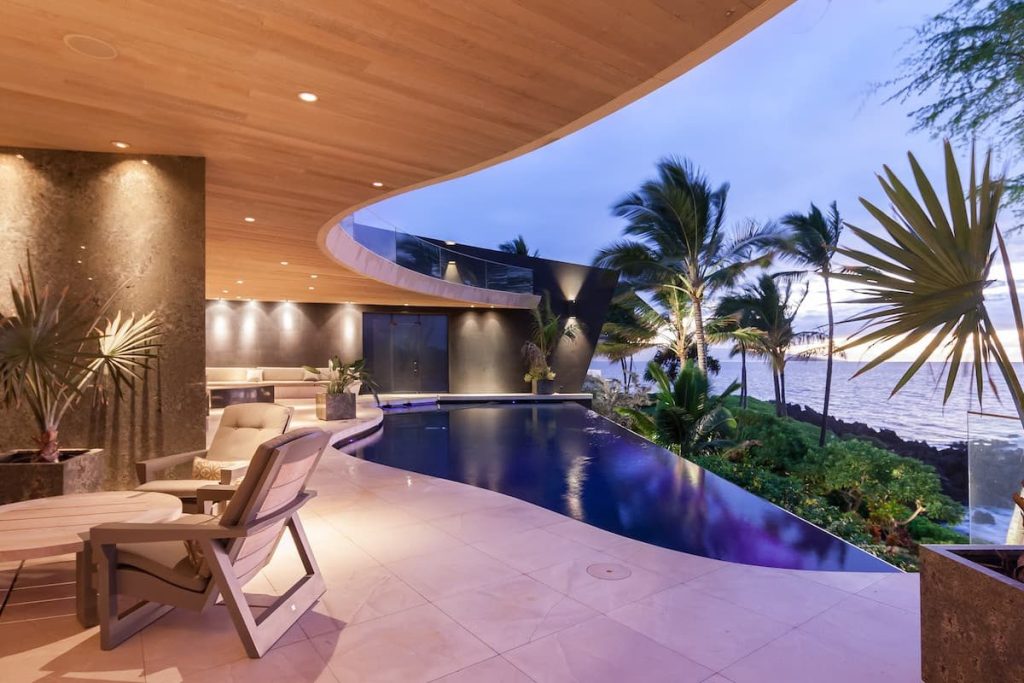
How Much Does it Cost to Purchase a Maui Oceanfront Home?
Let’s address the most important question first. While many fantasize about purchasing an oceanfront home on Maui, the reality is that the cost is prohibitive for most. The median price of the 15 oceanfront homes that sold on Maui over the last 24 months is $6,300,000. The lowest-priced home sold for $790,650, and the highest-priced home sold for $38,500,000.
| Price Range | Number of Sales |
| <$2,000,000 | 3 |
| $2,000,000-$2,999,999 | 2 |
| $3,000,000-$3,999,999 | 3 |
| $4,000,000-$4,999,999 | 1 |
| $5,000,000-$5,999,999 | 1 |
| $6,000,000-$6,999,999 | 6 |
| $7,000,000-$7,999,999 | 1 |
| $8,000,000-$8,999,999 | 1 |
| $9,000,000-$9,999,999 | 1 |
| $10,000,000-$14,999,999 | 3 |
| $15,000,000-$19,999,999 | 3 |
| $20,000,000-$29,999,999 | 2 |
| $30,000,000+ | 1 |
| Totals | 28 |
While homes at the lower end of the price range may be more accessible to buyers, there is usually a reason for their comparatively low price. The home is either in poor condition, more vulnerable to shoreline hazards such as erosion or coastal flooding, located in a rural area with limited amenities, or a combination of at least two of these characteristics. The low sale of the last two years is a prime example. 194 Lower Waiehu Beach Road in Wailuku was a bank-owned home in atrocious condition. Additionally, it is located in an area prone to erosion, tsunami impacts, and vulnerable to sea level rise.
The size of the home is also a factor in the sales price. Fifty-six percent of the Maui oceanfront homes that sold for less than $2,000,000 over the last five years were smaller than 1,300 square feet.
The most expensive oceanfront sales on Maui typically involve larger homes, incredibly high-end finishing, a good-sized lot, and a location close to resort amenities. There have been eleven sales over $20,000,000 in the last five years. The median home size for the eleven sales is 6,645 square feet, and the median lot size is just under an acre at 40,023 square feet.
Ongoing Costs of Ownership
It is worth mentioning that owning an oceanfront home can also come with higher costs. Oceanfront properties may require more maintenance due to the corrosive nature of salt air. Second homeowners may also want someone to manage the home’s upkeep and maintenance while they are off the island.
While property taxes on Maui are low compared to many places, the tax rate for higher-valued homes has increased over the last two years. Non-owner-occupied homes valued over $3,000,000 will be taxed at $17 per $1000 of assessed value for the 2025/2026 fiscal year.
What do oceanfront condos cost on Maui?
If you don’t have the budget to buy an oceanfront home or the type of oceanfront home you are seeking, a Maui oceanfront condo may be more accessible. Over the last two years, the median sales price of Maui Oceanfront condos is $980,000. The condos sold ranged in price from $205,000 to $22,000,000.
As with oceanfront homes, you should be mindful of the ongoing costs associated with condo ownership. While your maintenance fees will cover the ongoing maintenance for the home, those can be substantial. Condos can also be subject to assessments for larger maintenance projects. Some of the lowest-priced oceanfront condos on Maui are leasehold. Owners of leasehold condos will have a monthly ground lease payment in addition to their maintenance fee.
Ready to Explore Your Options?
Now that you understand oceanfront pricing on Maui, browse current listings that match your budget.
Search Oceanfront Properties NowWhat Exactly Do You Mean by Oceanfront?
This may sound like a strange question, but it is worth asking what you envision when you say the word oceanfront. Are you considering a home that overlooks a sandy beach? If so, it is worth knowing that there are many flavors of oceanfront on Maui above and beyond true beachfront.
Here are some of the other types of oceanfront you will encounter on Maui.
- Cobblestone beach
- Rocky shorelines
- Lava Rock shoreline
- Large cliffs overlooking the ocean
- Oceanfront with a seawall or other armoring
- Eroding shorelines
Rocky or cobblestone beaches
Not all beaches on Maui are sandy. Beaches close to current, intermittent, or past streams can have cobblestones. While ocean access is possible along these shorelines, access can be more hazardous during high surf. The sounds of the cobblestones rolling around the shoreline in breaking waves are pretty amazing, but also perilous for ankles and knees venturing into the confluence of white water and stone.
Rocky shorelines
While this sounds a lot like rocky beaches, it is a different animal. Instead of a more uniform beach, the rocks can be larger and more varied in size, and the shoreline also could be an older area of bedrock with scattered rocks or boulders. The shoreline may slope gradually towards the ocean, or you may have a situation where a smaller rocky bluff overlooks the ocean.
Lava shoreline
Haleakala is technically a dormant volcano. Geologists estimate the last eruptions occurred between the 1400s and the 1600s on its Southwest side. The east side of Haleakala was another part of the island that experienced, geologically speaking, recent eruptions. There are stretches of coast in both areas where the shoreline consists of jagged lava rock. Ocean access is possible in these areas, but it tends to be more perilous for your feet.
Cliffs overlooking the ocean
In the community of Haiku and parts of East Maui, you may find properties located along larger cliffs overlooking the ocean. Cliff heights can be as high as 100-150 feet above the shoreline below. Oceanfront homes will typically have commanding views up and down the coastline. Shoreline access varies. Some of the properties may have old fishing trails nearby that offer a perilous descent to the shoreline. Others may have access via gulches where streams carve a more gentle path towards the ocean.
Oceanfront with a seawall or other armoring
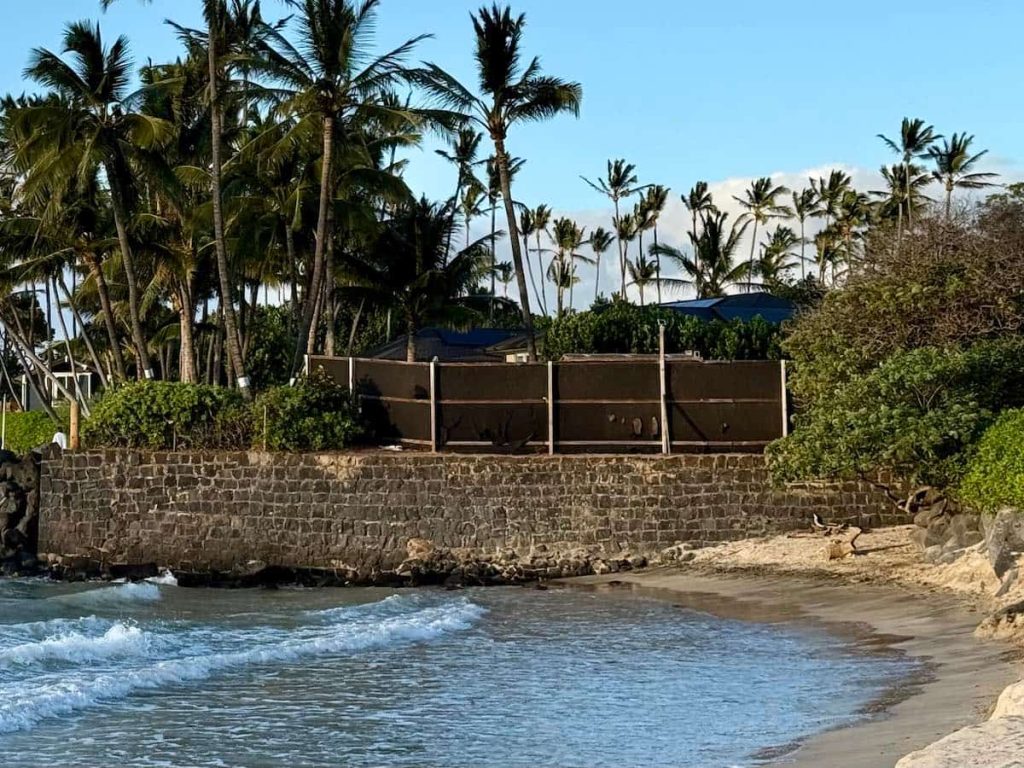
Some of Maui’s oceanfront homes are built behind a seawall or other types of man-made armoring of the shoreline. Seawalls can be concrete barriers or they may consist of rocks cemented in place. You will also find areas where large boulders were stacked along the shoreline to stabilize the shoreline. Ocean access may be possible from properties with seawalls, depending on ocean conditions.
Eroding Shorelines
Unfortunately, there are some properties on Maui where erosion can be an issue. That may be a fleeting beach or a place where the beach has eroded and the ocean is coming directly into contact with the dirt, without any real protection from rocks. Properties in these areas require extra due diligence. We delve into erosion issues in more detail later in this post.
What Lifestyle Are You Looking For Living on The Ocean?
This is one of the most important questions we ask our Maui oceanfront homebuyers. What do you envision as your oceanfront lifestyle?
Do you want to walk from your backyard directly onto a beach? Is it a priority to watch the sun sink into the ocean at the end of the day, or do you prefer to start your day watching the sun rise over the ocean’s horizon? Do you want to be close to golf, shopping, and restaurants, or do you prefer more solitude? Are you looking for a place where you can snorkel, swim, surf, or windsurf in the waters behind your backyard?
Depending on how you answer those questions, it will dictate where on the island you might focus your search. Depending on your budget, it may even lead us to suggest some options that aren’t directly oceanfront.
What are the Oceanfront Living Options Around Different Parts of the Island?
North Shore of Maui
Maui’s North Shore communities include Spreckelsville, Paia, Kuau, and Haiku. All of them offer oceanfront living options. This side of the island lacks resort amenities, and the ocean conditions tend to be rougher with bigger waves prevalent during the winter. The wind and the waves along this stretch of coast are a draw of their own, as they can be ideal for wind and ocean sports. The coastline varies from beaches to rocky shores to soaring oceanfront cliffs.
Spreckelsville
Spreckelsville‘s oceanfront is probably best known for its access to ocean sports. This coastline offers world-renowned windsurfing, kitesurfing, wing foiling, big wave surfing, surfing, stand-up paddling, and more. While there is a convergence of wind and waves in the winter season, summer has the most consistent wind for wind sports and downwind paddling.
While many Spreckelsville oceanfront homeowners were drawn by ocean sports, it is far from the only appeal of the area. Maui Country Club is a focal point of the neighborhood with a nine-hole golf course, tennis, pickleball, yoga, a fitness center, and social events. Baldwin Beach is fantastic for beach walks, and Baby Beach offers a sheltered swim area in all but the biggest high surf events. Paia town and its restaurants, shopping, and other amenities are accessible via a quick drive or the North Shore Bike Path.
The Spreckelsville shoreline offers a mix of rocky shorelines, seawalls, and beaches. Stable Road offers the most extensive beach areas and the allure of launching your wing, kite, or windsurfer directly from the sand, allowing you to play on the outer reefs of Kanaha. There is a lot of beach access in the community, so if you can’t launch from your own backyard, you are typically a short walk or ride in the golf cart.
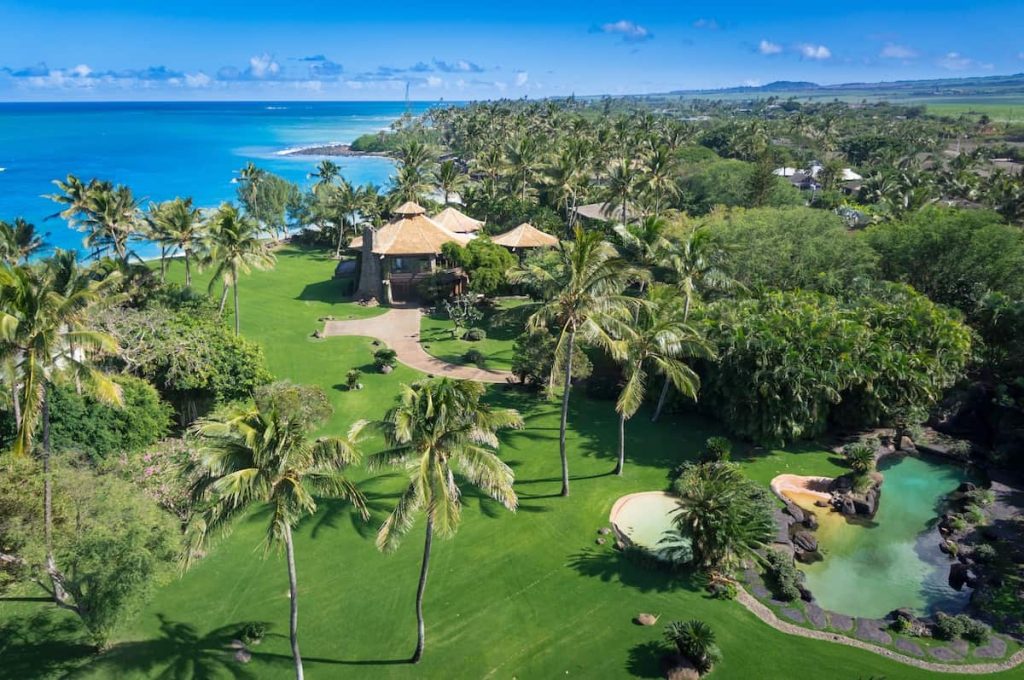
Prices in Spreckelsville start at about $6,000,000. While the all-time high sale in the neighborhood is $18,000,000, that was all the way back in 2016. I would venture that some of the beachfront compounds on Stable Road would sell for well over $ 20 million in the current market.
Paia and Kuau
The Paia and Kuau area offers a similar appeal to Spreckelsville for those who love to play in the area’s wind and waves. Paia has its own unique character derived from its history as a former sugar plantation town and the Bohemian influences that arrived in the community in the 1960s and 1970s. For a town of its size, it offers a wide range of dining options, excellent shops, a fantastic health food store, and a variety of wellness-related businesses.
The coastline of Paia and Kuau has a mix of beaches, rocky shorelines, and seawalls. True beachfront homes are very scarce, with just a couple along Paia Bay, and a couple more over by Mama’s Beach in Kuau. Homes along Paia Bay and Kuau Bay have access to winter surfing. Kuau Point is one spot along this coastline where you will see people wing, kite, and windsurf offshore. While you can’t truly launch from your backyard here, there is an ocean access point in the neighborhood.
Prices for Paia and Kuau Oceanfront homes range from about $3,000,000 to over $10,000,000.
Haiku
The coastline changes significantly as you head further east into Haiku. The bulk of the oceanfront homes in Haiku are located on elevated cliffs. The cliffs range from 100-150 feet above the actual shoreline below. As you get further out towards the Huelo area of Haiku, there are a handful of oceanfront properties located in gulches or valleys. In those areas, you may be on smaller bluffs, rocky shorelines, or even cobblestone beaches.
Due to the nature of the shoreline, oceanfront homeowners in this area typically drive to the beach. Ho’okipa Beach Park, back near Kuau and Paia, is the closest beach.
Haiku is more rural in character, and the bulk of the oceanfront homes are located on agriculturally-zoned lots of two or more acres. As you make your way further along the coast, precipitation increases. While the westernmost oceanfront home in Haiku averages less than 40 inches annually, homes in Huelo can average over 80 inches a year.
Haiku may not have a downtown per se, but it does have some old converted pineapple canneries that are home to restaurants, grocery and convenience stores, yoga studios, fitness centers, and more. Additional shopping and amenities are available in Paia and Makawao.
The starting price for oceanfront homes in Haiku is approximately $ 2.3 million for a smaller home or cottage located further out in Haiku. The highest-priced oceanfront home to sell in Haiku closed for $15,000,000. That said, that was a 73-acre parcel. The bulk of the Haiku oceanfront home market is going to be priced between $3,000,000 and $5,000,000.
South Maui
South Maui is renowned for its stunning beaches, luxurious resort amenities, and consistently sunny weather. The ocean waters tend to be calmer, making them a popular destination for swimming and snorkeling. The four communities of South Maui are Kihei, Wailea, Makena, and Ma’alaea. The coastline in South Maui includes beaches, rocky shoreline, seawalls, and lava rock.
Kihei
Kihei is a true beach town renowned for its sunny skies and long coastline, featuring a diverse array of beaches. It is conveniently located near Wailea, offering access to its numerous resort amenities. Kihei itself has an abundance of dining options and its own golf course.
The bulk of the oceanfront homes are located in Central Kihei and South Kihei. In Central Kihei, you have two streets with oceanfront homes: Uluniu Road and Halama Street (some might consider Halama Street to be South Kihei). Homes on Uluniu are backed by a sandy beach, but it is not an area that people swim or snorkel in very often. There are a handful of homes at the North End of Halama that are beachfront; the rest of the homes on the street have sea walls or some sort of armoring.
In South Kihei, there are two concentrations of oceanfront homes. There are about a dozen homes in the Charley Young Beach and Kamaole I Beach Park area. That includes a mix of homes on rocky shorelines and true beachfront homes. Further South, Keawakapu Beach is located right next to Wailea. This is one of the premium beachfront addresses on the island, boasting large lots, a stunning sandy beach, impressive homes, and access to Wailea amenities.
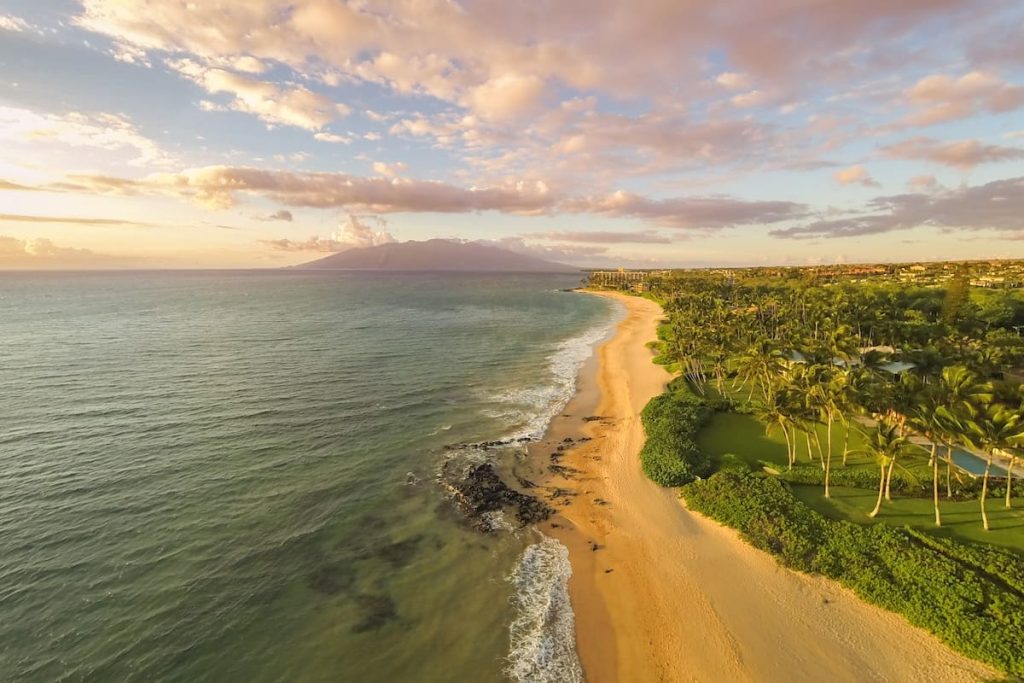
Oceanfront homes in Kihei range in price from $3.5 million for an older oceanfront home to over $40 million for some of the premier residences along Keawakapu Beach.
Wailea
Wailea offers considerable appeal with its resort amenities, golf courses, shopping, fine dining, and stunning beaches. The typically placid waters off Wailea are ideal for swimming and snorkeling. That said, the bulk of the beach and oceanfront land in Wailea is fronted by either condos or resort hotels.
If you want oceanfront within the resort, the Maluhia at Wailea is the only residential beachfront option. There are two oceanfront homes and three homes that back directly onto the beach in the neighborhood. However, all fourteen homes in the neighborhood have access to the beach through the neighborhood beach pavilion. The last non-oceanfront home in this neighborhood sold for just under $15 million. The last home directly on the water in the neighborhood sold for $38.5 million.
Due to the small size of this neighborhood, inventory is scarce. Oceanfront buyers who love the Wailea area might also consider homes along Keawakapu Beach or the parts of Makena closest to Wailea.
Makena
Just south of Wailea is the Makena area. This stretch of coastline is renowned for its breathtaking blue water, golden sand beaches, and stunning vistas, and it provides a quieter setting than nearby Wailea. That said, there is easy access to Wailea’s golf, resort amenities, and fine dining. Homes in the northernmost area of Makena are within walking distance of Wailea.
The Makena shoreline varies between beachfront, rocky shoreline, and lava rock. As you get further South in Makena, you start to get into areas where the last lava flow on the island occurred.
Makena consistently sees some of the highest prices for home sales on the island. Oceanfront homes in Makena start around $10 million. The highest ever sale for an oceanfront home in Makena closed for $78 million, purchased by Jeff Bezos in 2021.
Ma’alaea
There are a handful of oceanfront homes in Ma’alaea. This is a quieter area of South Maui, more known for its condos, harbor, aquarium, and shopping area. There is one oceanfront home on Hauoli Street and a small cluster of homes off the Honoapiilani Highway as you head to West Maui. The homes off of Honoapiilani Highway are elevated 15-25 feet above the water.
Ma’alaea offers the most accessible oceanfront prices in South Maui. Typically, these homes are valued between $2.5 million and $3.5 million. The home on Hauoli Street is going to be valued higher since it is a bigger lot.
Found Your Ideal Location?
Discover available oceanfront homes in South Maui’s beaches or explore what West Maui has to offer.
Search Oceanfront Properties NowWest Maui
West Maui offers the appeal of beautiful beaches, resort amenities, sunny weather, stunning sunsets, and more. It includes the communities of Olowalu, Lahaina, Ka’anapali, Honokowai, Kahana, Napili, and Kapalua.
Olowalu
Before you get to Lahaina town, you pass through the small community of Olowalu. It is probably most famous for its snorkeling, the tree tunnel of Monkeypods, and Leoda’s Bakery and Pie Shop.
There are about ten oceanfront homes in the Olowalu area. These homes are typically situated on larger lots, with homes in the Olowalu Makai subdivision occupying lots of two acres or more. The shoreline in this area is mostly rocky beaches with pockets of sand. Sales over the last five years have ranged between $5 million and $10 million.
Lahaina
Lahaina is still in the early stages of its recovery from the August 2023 fires. Most of the oceanfront homes in Lahaina were destroyed by the fire. While a number of homes are being rebuilt around Lahaina, only one oceanfront homeowner has received permits to rebuild as of August 2025.
Not only is the process of obtaining permits more strenuous, but there are also challenges in getting approvals due to shoreline setback rules adopted in 2024.
Ka’anapali
Ka’anapali is renowned for its stunning beaches, golf courses, and a range of other resort amenities. Most of the beachfront in this resort community is occupied by hotels, timeshares, and condominiums.
If you want to live in a beachfront home in Ka’anapali, your options are incredibly limited. There are six lots on Kai Ala Place. Four of the six lots have beachfront estates, and two remain undeveloped. The six lots range in size from 0.8 to 0.99 acres. Hotel zoning allows for the potential to vacation rent.
These homes do not come on the market often, and they sell at a premium when they do. The last home to sell in the neighborhood closed in 2023 for $20.75 million.
Napili/Kahana/Honokowai
I clustered the three communities of Napili, Kahana, and Honokowai together for two reasons. 1. They are lumped together on the MLS, and 2. they share a similar character and profile as communities located between the resorts of Ka’anapali and Kapalua. Residents in this area are conveniently close to a variety of restaurants, golf courses, and other amenities, thanks to the proximity of the two resorts. The ocean around this stretch of coast tends to be calm during summer, and while exposed to winter surf, it doesn’t see the same wave heights as the North Shore.
The majority of the shoreline in Honokowai is fronted by condominium developments. There are just three homes that back directly onto the ocean. They are all estate properties with large lots approaching one acre. The shoreline along this stretch of coast is largely rocky, but it may see seasonal pocket beaches. One of the homes sold in June of this year for $16.3 million.
There are 17 oceanfront homes in the Kahana area. The bulk of the properties front along rocky shorelines, with a few that back onto smaller sandy beaches. Oceanfront homes in Kahana range in price from roughly the $5 million range to $15 million or higher.
Napili is the community with the highest concentration of oceanfront homes along this stretch of coast, boasting 24 homes. The bulk of the homes back onto a rocky shoreline, with a few located on small rocky bluffs along stretches of Honoapiilani Highway. Recent sales have ranged from just under $5 million to over $ 15 million.
Kapalua
The Kapalua Resort is the smallest and the least crowded of the three main resort communities in Maui. It is also unique in that it is located at the edge of windward Maui. It gets a little more precipitation, typically keeping things naturally green. It features two golf courses, pickleball/tennis courts, and spa amenities. There are a number of beautiful beaches and good snorkeling during the summer months. During the winter months, the area is exposed to more surf. Nearby Honolua Bay is one of the best surf spots in Hawaii, albeit far from a beginner-friendly break.
Like the rest of the resorts, Kapalua has a limited inventory of oceanfront homes. There are four beachfront homes and one undeveloped beachfront lot overlooking Oneloa Beach in the gated Kapalua Place subdivision.
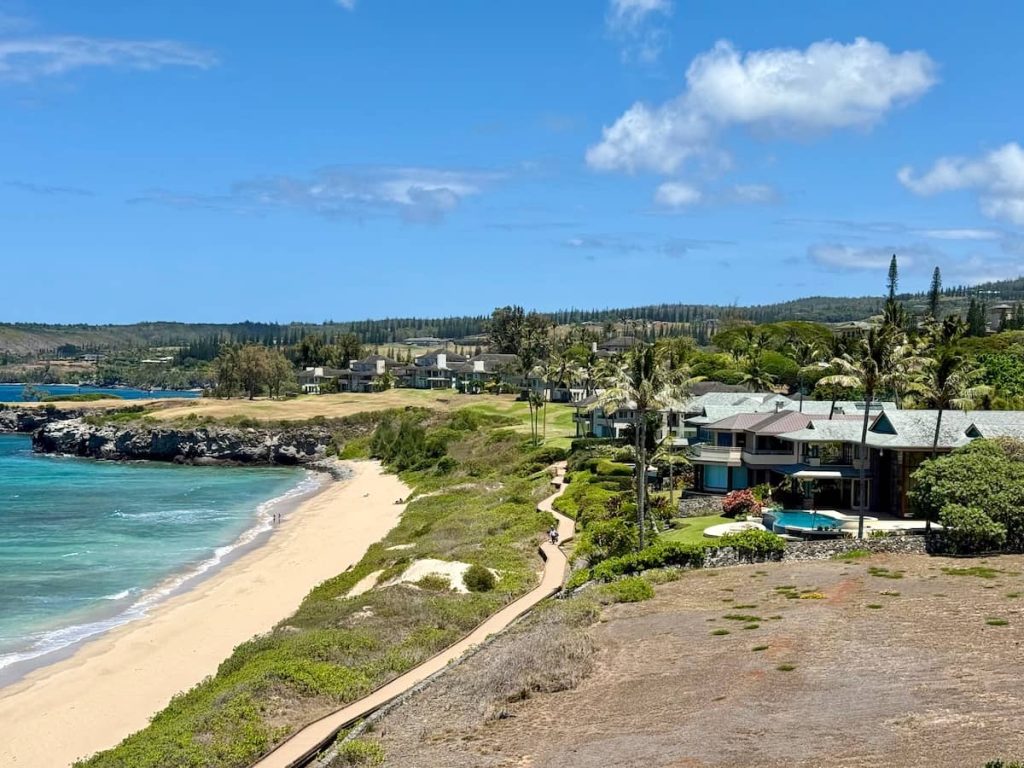
There are an additional four oceanfront homes in the Kapalua area. Three of the four homes are situated on substantial lots, ranging in size from 3.45 to 9.6 acres. All three of those homes are on elevated bluffs with commanding views. The fourth home, although situated on a significantly smaller lot, is still situated on a 0.43-acre lot located on a rocky shoreline.
East Maui
The communities of East Maui are located far from the island’s resorts in a secluded part of the island, accessible only by the winding, narrow road to Hana and via propeller plane or helicopter flight to Hana Airport. The communities include Hana, Nahiku, Kipahulu, and Kaupo.
East Maui isn’t the place for everyone. If you are looking for golf, an abundance of restaurants, or other amenities, you won’t find them in Hana or any of these other communities. What you will find is quiet, extraordinary natural beauty, and a slower pace of life, even by Maui standards. That said, I don’t want to sell Hana short. There are a couple of good restaurants, several food trucks, and a great Friday afternoon farmers’ market.
The windward Maui location experiences more abundant precipitation, with rainfall totals along the oceanfront historically ranging from 60 to over 100 inches per year. The wet season occurs during the winter, but you can expect trade wind showers throughout the year. The precipitation makes for lush, tropical environs.
The majority of oceanfront homes in East Maui are situated along rocky or lava-rock shorelines. Many of them are elevated above the shore, including a fair number on higher bluffs. This can make accessing the ocean more difficult. Access challenges can be exacerbated by frequent rough ocean conditions. There are a handful of beachfront homes located along Hana Bay.
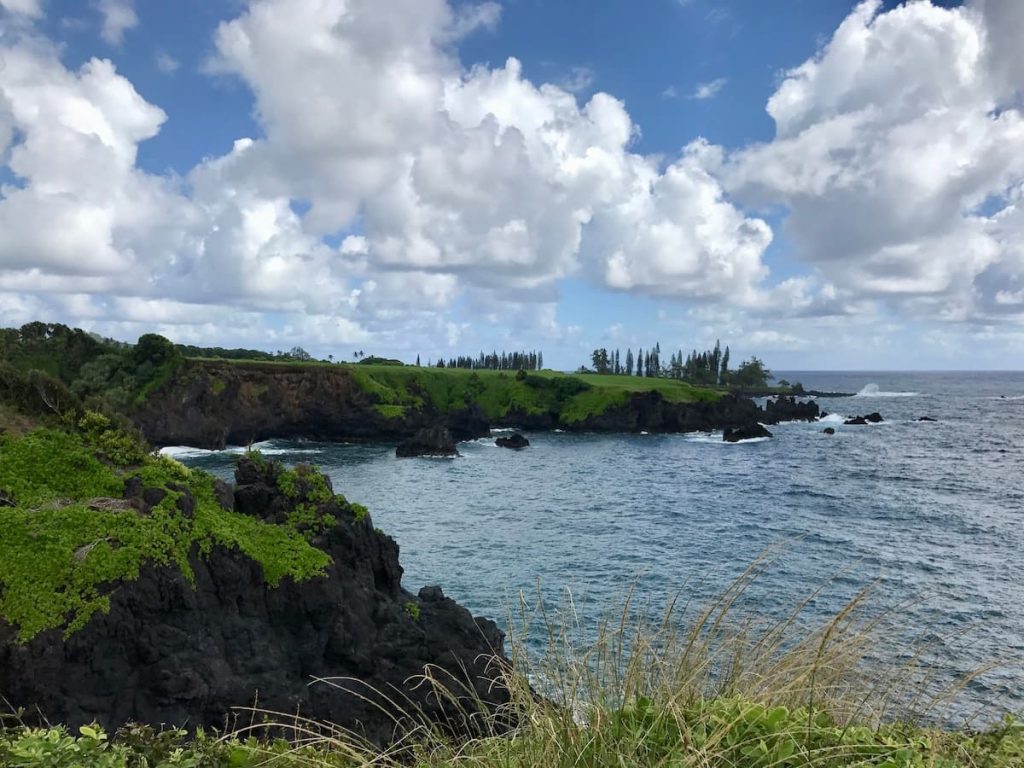
East Maui oceanfront homes range from about $1,500,000 to about $3,500,000 based on historic sales. That said, there are some substantial oceanfront estates that have not been on the market in some time that could be valued higher.
Central Maui
The Wailuku area of Central Maui is home to approximately 25 oceanfront homes. That number is approximate, as you could dispute whether some of them are truly oceanfront due to small strips of county land separating certain homes from the shoreline. Central Maui is the island’s government and business hub, featuring county and state government buildings, the hospital, the bulk of the island’s medical facilities, UH Maui College, shopping, and big-box stores.
There is a municipal golf course, and with good exposure to the tradewinds and North Shore surf, the coastal waters are popular with surfers and wind sport enthusiasts.
Central Maui oceanfront homes are the island’s most accessible by price, with recent sales ranging from $800,000 to $3.5 million. That said, there is a reason for the lower prices. Many of the homes are in lower-lying, high-risk flood areas. The trade winds also blow directly onshore in this area. The salt brought in the air can make it challenging to keep up with maintenance. The majority of the Wailuku oceanfront homes sold for less than $1,000,000 are in poor condition with substantial deferred maintenance.
Summary of Oceanfront Home Options in Different Areas of Maui
| Area of the Island | Price Range | Types of Shoreline | Lifestyle |
| North Shore | $2.5 Million- $20 Million + | Beachfront (Spreckelsville and Paia), rocky (Paia and Spreckelsville), cliff (Haiku) | Maui’s water sports mecca. A bohemian beach town in Paia. Natural beauty and rural oceanfront in Haiku. |
| South Maui | $2.8 Million -$78 Million + | Beachfront, rocky, lava rock, sea wall | Sandy beaches, typically calm shorelines, sunny weather, and proximity to resort amenities. |
| West Maui | $5 Million-$26.5 Million | Beachfront, rocky, lava rock, sea wall | Sunny weather, proximity to resort amenities |
| East Maui | $1.5 Million-$4 Million | Rocky, cliff front, beachfront (limited) | Rural living, considerable natural beauty, more tropical climates, limited amenities. |
| Central Maui | $1 Million-$3.5 Million | Rocky beach, rocky | Proximity to shopping, healthcare, and other community amenities. Proximity to wind and water sports. |
What are Some Risks or Other Important Items to Know About Owning an Oceanfront Home on Maui?
With the considerable cost of purchasing an oceanfront home, buyers should be particularly careful about doing their due diligence on the challenges and hazards that come with owning a home on the ocean. The area where the land meets the sea is a stunning place, but this dynamic environment brings additional hazards.
Storms
Storms passing directly over the island or even those that are thousands of miles away can cause coastal flooding or shoreline damage.
During the winter months, the most powerful storms that impact the island are known as Kona Lows. These storms can bring strong, southwest winds, heavy rain, and battering surf along leeward coastlines. Sometimes the waves from these storms can cause erosion on beaches, but oceanfront homes typically fare ok. Oceanfront homes near drainages or seasonal streams may be affected by stream-based flooding.
Hawaii can be impacted by hurricanes. Iniki did significant and extensive damage to Kauai in 1992. While Maui has not had a direct hurricane strike since the 1800s, it has had its share of tropical storms pass near the island over the last ten to fifteen years.
Some of the more significant impacts the island’s coastlines experience are from storms that originate from more distant areas. Hurricane-force storms in the North Pacific, Typhoons in the Western Pacific, and large low-pressure systems from the South Pacific can generate large warning-level surf that impacts beaches on all coastlines. The most damaging big wave event I can remember was a rare, giant-sized, Northeast swell in November of 2003. Waves from the storm damaged two homes in the Paukukalo area of Wailuku and one in Keanae.
While these big wave events don’t typically damage homes, they can cause surf to run into yards of coastal properties and cause significant erosion.
Tsunamis
Hawaii is situated in the middle of the Pacific Ocean. This body of water is bordered by the ring of fire, a series of tectonic plates that produce volcanism and regular earthquakes. Occasionally, when a quake displaces a sufficient amount of ocean water, a tsunami can be generated. We had a tsunami scare within the last month (July 29, 2025).
The 2011 Japan tsunami was the most recent tsunami to have a significant impact in Hawaii. No homes were destroyed on Maui, but I am aware of a few decks and gazebos along oceanfront homes that were swept away. A Tsunami on April 1, 1946, was the most destructive in Maui’s history, with impacts from Honokowai to Hana. That tsunami helped spur the creation of the tsunami warning system, which alerts coastal areas around the Pacific to potential tsunami events.
Hawaii has two evacuation zones for tsunamis: the tsunami evacuation zone and a larger extreme tsunami evacuation zone for higher magnitude events. NOAA has a tsunami evacuation zone map for the entire state of Hawaii, which shows the two zones.
Most, but not all, oceanfront homes are likely to be in the tsunami evacuation zone. Oceanfront homes located on bluffs or cliffs are the notable exception. The threat of tsunamis also impacts the building code for oceanfront homes. Higher tsunami risk may dictate elevated living spaces or prohibit first-floor bedrooms.
Erosion
Hawaiian shorelines are susceptible to erosion. That includes both sandy and rocky beaches, as well as any shoreline where regular soil is exposed to wind and waves. Dunes and native vegetation can limit erosion through cycles of sand replenishment; however, many of our dune systems have been removed by shoreline development.
While shoreline armoring with sea walls or rocks was a method used to protect properties from erosion in the past, shoreline hardening has been shown to exacerbate erosion in surrounding areas. Sea walls are no longer permitted in Hawaii, unless the structure was already built, prior to 1999. Owners can face steep fines for erecting illegal sea walls by the Department of Land and Natural Resources (DLNR).
For that reason, the State will seldom approve any shoreline hardening or erosion mitigation measures. Beach replenishment is occasionally approved, but it is a costly, multi-property solution that often faces opposition and difficulty in sourcing sand. More temporary measures, like geotextile bags or shoreline skirts, are also being approved less frequently. Simply put, homeowners experiencing significant erosion issues should not expect to receive approvals for erosion mitigation. Non-permitted mitigation efforts are subject to significant fines.
Buyers should consult shoreline erosion maps and do extensive due diligence to assess erosion risks.
Sea Level Rise
Sea level rise is another factor that impacts erosion on Maui. According to a 2013 report by the University of Hawaii Sea Grant Program, sea levels rose 7 inches around Maui during the 20th century, with rates expected to increase in the future. The state of Hawaii has produced a sea level rise viewer that shows the projected impacts of sea level rises of 0.5 feet, 1.1 feet, 2.0 feet, and 3.2 feet. The viewer gives you a sense of future risks, but it is not infallible. It does not always account for topography around the coast.
Sea Walls or Other Shoreline Improvements
While having a seawall can provide a buyer with peace of mind, it is essential to recognize that they are not infallible and may bring risk or liability. Here are four questions worth asking if you are considering a home with a seawall
- Is the seawall or armoring permitted, and are there supporting documents? While a seawall or armoring may protect your property, if the shoreline improvements are unpermitted, there is a risk that the county or state could request their removal. Within the last year, the listing photos for a property on the North Shore brought attention to a series of boulders placed along the shoreline without permits. The homeowner was required to remove the boulders and faced fines.
- What is the integrity of the seawall? Seawalls can fail. They can either collapse or, as sea levels rise, the ocean can open up sinkholes behind the sea wall. Buyers should consider hiring an experienced engineer to assess the condition of the sea wall.
- What options do you have to protect or repair your seawall? Since sea walls have been found to have a negative impact on nearby unprotected shorelines, the state or county will only allow repairs to permitted seawalls. Even then, those repairs may be limited to replacement and repairs with like-for-like materials. Furthermore, you are limited to performing repairs worth 50% of the replacement cost of the seawall over a ten-year period. This is another item to discuss with an engineer as part of your due diligence.
- Who owns the seawall? Seawalls on Maui are primarily a complex matter of shared ownership, with the State of Hawaii generally owning the land makai (seaward) of the vegetation line and having a right and duty to maintain and use existing seawalls that are in public use. However, private property owners who built seawalls before 1999 or received exemptions may own some structures, leading to situations of co-ownership and shared responsibility with the state and public.
Maintenance and the General Cost of Ownership
Oceanfront homeowners should be prepared for higher carrying costs with their home. That includes maintenance costs, taxes, and insurance.
We touched on this in other sections, but owning on the oceanfront typically involves more upkeep. While the smell of salt air may be a balm for the soul, it can be abrasive to your home. Fixtures, appliances, paint, and even electronics tend to wear out more quickly.
While Maui has relatively low property taxes across the board, tax rates for higher valued properties continue to increase. The 2025/2026 Maui Property Tax Rates raised the rate for non-owner-occupied homes assessed above $3 million to $17 per $1,000 of assessed value.
Finally, the cost of insuring coastal properties is getting higher. The pool of companies insuring coastal properties is shrinking, and costs are increasing. It is also essential to ensure that you are comprehensively insured. Flood insurance is not part of your standard homeowner’s insurance policy. It is also important to have wind/hurricane coverage.
More Stringent Permitting with Longer Time Frames
Building along the shoreline comes with its own set of challenges. There are shoreline setback rules, additional building codes for new construction in areas that could be subject to coastal flooding and tsunamis, and more scrutiny of your plans to make sure that they don’t have any adverse impact on environmental and cultural resources.
For these reasons, it makes sense to work with builders, architects, and consultants who have experience building along the shoreline. While the experts will be able to advise you about code, the permit process, and timelines, there are still some things that you should know if you plan to build, expand, or remodel along the shoreline.
- Areas near the ocean are located within the Special Management Area (SMA). Properties located in SMA areas are subject to additional scrutiny to determine if building might have an impact on environmental and cultural resources. Typically, the additional permit steps translate to permit approvals of one year or longer.
- SMA projects with an estimated building value of $500,000 or more are subject to public hearings, and approval is granted by the Maui County Planning Commission rather than the Director of the Planning Department.
- Coastal properties are also subject to shoreline rules. Maui County revised its shoreline rules in 2024, adjusting shoreline setbacks for new construction to reflect recent estimates on future sea level rise. The new rules also streamlined the process for interior and exterior maintenance of shoreline properties.
- There are numerous homes on Maui that were built before shoreline setback rules were established. Those structures are considered to be “pre-existing non-conforming.” Expansion of those structures within the shoreline setback areas is prohibited.
Public Access
While some states and countries have private beaches, Hawaii is not one of them. Shoreline access is an important right in Hawaii. It is codified under Chapter 15 of the Hawaii Revised Statutes. This law guarantees a “right of transit” along the shoreline. They also stipulate that owners of oceanfront properties have an obligation to maintain vegetation along the shoreline side of the property so that it does not impede the right of transit.
While all beaches are generally considered publicly accessible, that doesn’t mean there aren’t disputes about access. It also doesn’t mean that if you have an oceanfront property, the public can just trapse through your property to access the shoreline. Maui County keeps a map of shoreline access points in areas where private properties abut the shorelines.
Maui Oceanfront Home FAQ
What is the most expensive area of the island for oceanfront homes?
The most expensive sales typically occur in Makena and along Keawakapu Beach in South Kihei. Makena is the location of the home that Jeff Bezos purchased for $78 million, an all-time high for the island. While the three resort communities of Wailea, Kapalua, and Ka’anapali don’t have many oceanfront homes, they also sell for a premium when they are available on the market.
Can you buy an oceanfront home for less than $1,000,000?
Every once in a while, you will see an oceanfront home sell in Wailuku for less than $1,000,000. That said, there is a reason for the price. Most of the homes at those price points are in poor condition and are more vulnerable to coastal flooding and sea level rise. If you are open to condominium living, there are numerous oceanfront condo options for less than $1,000,000.
Can I legally operate my Maui oceanfront home as a vacation rental?
For the most part, no. Only homes with hotel zoning can legally be vacation-rented. There are four beachfront homes on Kai Ala Place in Ka’anapali that are zoned hotel and a few in Makena. Even then, there may be additional deed restrictions that prohibit short-term rentals. There are some oceanfront homes currently being rented under conditional permits. Those permits are not transferable to new owners. There is a substantial number of oceanfront condos allowed to operate as short-term rentals, but the county is currently considering phasing out short-term rentals at apartment-zoned condos. If that were to occur, short-term rentals would be restricted just to hotel-zoned homes and condos.
Taking the Next Step to Buy a Maui Oceanfront Home
Thinking of taking the next step? You can search the current inventory of Maui Oceanfront Homes for Sale on MauiRealEstate.com. Better yet, contact The Maui Real Estate Team for direct assistance. We bring years of experience representing buyers of oceanfront homes.
The Maui Real Estate team specializes in helping buyers transition from dreaming about oceanfront living to making it their reality. Through personalized property searches, honest guidance about each location’s advantages and challenges, and comprehensive support throughout the purchase process, we transform what could be an overwhelming experience into an exciting journey.