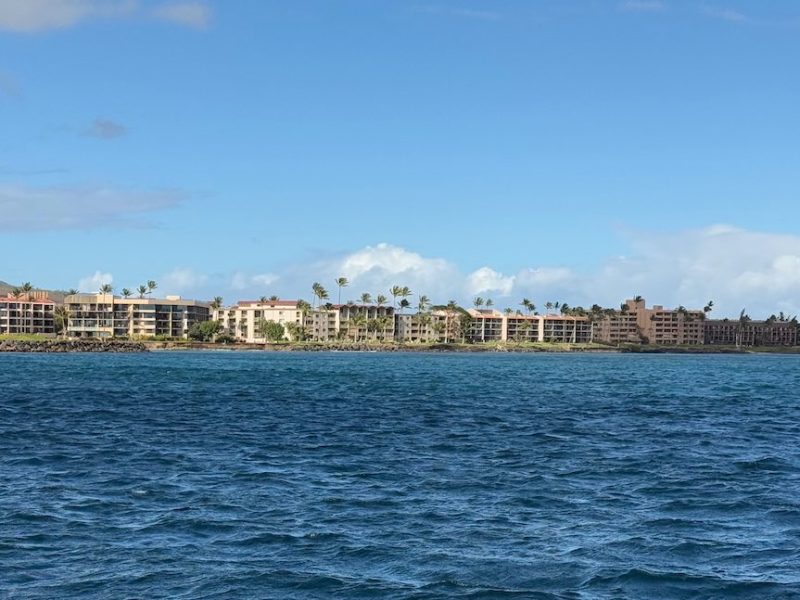
Are you ready to discover your dream home on the beautiful island of Maui? With its stunning beaches, lush landscapes, and year-round sunshine, Maui is one of the most sought-after destinations for homebuyers.
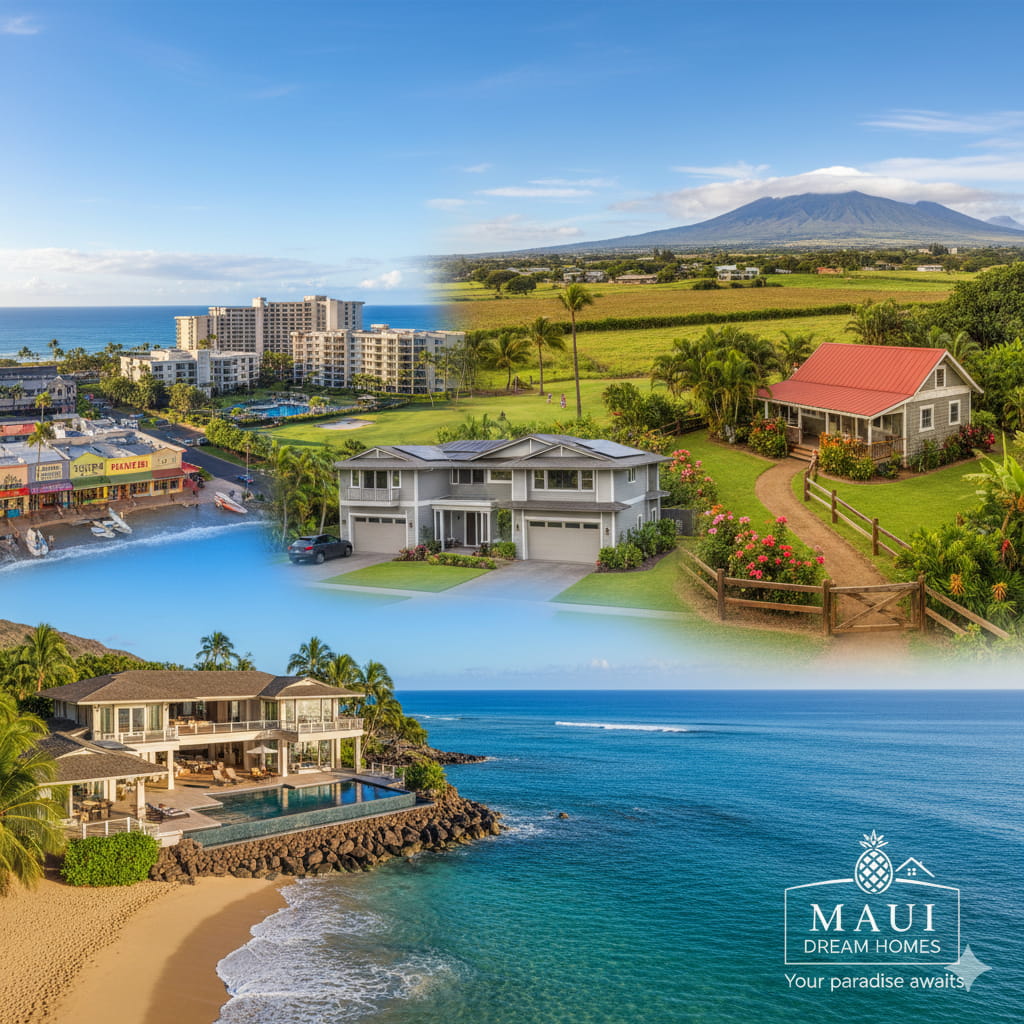
Whether you’re looking for a luxurious oceanfront estate, a cozy cottage on the slopes of Haleakala, or a spacious family home in a friendly neighborhood, Maui’s new listings have something to offer for every taste.
In this blog, we’ll explore the diverse range of Maui homes for sale, things to consider about your purchase, and how a Realtor can make the home-buying process smoother. Join us as we help you find your new Maui home.
Key Takeaways:
Diverse Properties: Maui offers everything from luxury estates to cozy cottages and practical condos.
Prime Locations:Central Maui is prized for convenience and proximity to attractions all over the island. South Maui is popular for its amenities and scenic beaches.
Key Considerations: Important home features include location, view, size, and condition.
Local Experts: Working with a local real estate agent can simplify the buying process and provide valuable insights.
Lifestyle Perks: Maui offers a unique lifestyle with its natural beauty, community spirit, and recreational opportunities.
Exploring the Variety of Maui Homes For Sale
Maui’s real estate market is as diverse as the island itself, offering a wide range of homes to suit every lifestyle and preference. From the island’s resort communities to the serene and secluded East Maui, there’s a perfect home waiting for you. For more insights and detailed demographic data that might influence your decision, you can explore the U.S. Census Bureau’s information on Maui County.
Oceanfront
For those seeking the ultimate in luxury living, Maui’s oceanfront estates are a dream come true. These magnificent properties often feature expansive lanais, infinity pools, and breathtaking views of the Pacific Ocean. Imagine waking up to the sound of gentle waves and enjoying your morning coffee as you watch the sun’s first light kiss the ocean waters just off your backyard.
Upcountry Region
If you prefer a more laid-back lifestyle, Maui’s Upcountry region might be the perfect fit. Here, you’ll find charming cottages and spacious homes surrounded by lush greenery and rolling hills. The cooler temperatures and tranquil atmosphere of Upcountry Maui offer a welcome respite from the hustle and bustle of the island’s more populated areas.
Resort Areas
If you want a second home, the resort communities offer shopping, golf, great restaurants, spa amenities, beautiful beaches, and more. Whether it’s Kapalua and Ka’anapali in West Maui or Wailea in South Maui, owning a home or condo in these communities offers a relaxed and luxurious lifestyle.
Residential Areas
While there is something to be said for the luxury living of a resort area, if you are looking for a sense of community, you may gravitate towards more residential neighborhoods. You can find greater concentrations of year-round residents in parts of Kihei, Wailuku, Kahului, Upcountry, and along the North Shore.
Condos
Condos can offer owners ease of maintenance by shifting the burden of exterior upkeep and landscaping to the condo association. Maui has incredibly varied options from high-end luxury condos full of amenities to more modest condo developments geared towards island residents.
No matter what type of home you’re looking for, Maui’s real estate market has something to offer. With its unparalleled natural beauty, warm community spirit, and endless recreational opportunities, Maui truly is a paradise for homebuyers.
Popular Areas for Buying a Home In Maui
When it comes to buying a home in Maui, some areas stand out as the best neighborhoods in Maui, particularly popular among homebuyers. These regions offer a perfect blend of natural beauty, convenience, and lifestyle amenities that make them highly sought-after in the Maui real estate market.
1. South Maui (Kihei, Wailea, Makena)
South Maui is a favorite among families and beach lovers. Kihei offers a wide range of condominiums and single-family homes, along with easy access to shopping, dining, and miles of sandy beaches. Wailea and Makena are known for their upscale resorts, luxury homes, and championship golf courses. This area is perfect for those who want to enjoy a high-end lifestyle with plenty of sunshine and breathtaking ocean views.
2. Central Maui (Wailuku, Kahului)
As the name implies, Central Maui is all about location. Wailuku is home to county and state government offices, medical facilities, shops, restaurants, and the historic Iao Theater. Kahului is home to UH Maui College, the Maui Arts and Cultural Center, Queen Ka’ahumanu Center, the airport, Kahului Harbor, and the island’s big box stores. The communities offer a variety of housing from Historic Hawaii Plantation Cottages in Wailuku to newer construction in the island’s two largest planned communities Maui Lani and Kehalani.
3. Upcountry Maui (Kula, Pukalani, Makawao)
Upcountry Maui offers a more rural and laid-back lifestyle, with cooler temperatures and stunning views of the island’s coastline. This area is popular among those who want to escape the crowds and enjoy a more peaceful way of life. Kula is known for its agricultural lands and estate properties, while Pukalani and Makawao offer a mix of single-family homes and cottages with a charming, small-town feel.
4. North Shore (Paia, Haiku, Spreckelsville)
Maui’s North Shore is a favorite among artists, wellness buffs, wind and water sport enthusiasts, and those who appreciate a more bohemian lifestyle. Paia is a small coastal town with good restaurants, yoga studios, unique boutiques, and world-class ocean sports. Spreckelsville offers beaches, great foiling, kiting, and windsurfing. You can get your fill of pickle ball, golf, and other amenities at the Maui Country Club. Haiku offers a rural lifestyle with more properties with acreage. It is a great spot if you want gardens and orchards.
Current Home Prices by Maui Neighborhood
Understanding the average home prices across Maui’s different neighborhoods is crucial for setting realistic expectations and budget planning. As of 2025, Maui’s real estate market shows significant variation in pricing based on location, property type, and proximity to the ocean. Here’s a comprehensive breakdown of median home prices by area:
South Maui Price Ranges
Wailea: The crown jewel of South Maui commands premium prices. Single-family homes range from $3.5 million to $15 million for oceanfront estates, with the median hovering around $4.8 million. Wailea condominiums offer a more accessible entry point, ranging from $1.2 million for one-bedroom units to $8 million for luxury penthouse residences. The Grand Wailea and Four Seasons areas typically see the highest values.
Kihei: More affordable than Wailea, Kihei offers excellent value. Single-family homes range from $950,000 to $2.5 million, with a median of $1.3 million. Condominiums are particularly popular here, with prices from $650,000 for smaller units to $2.5 million for beachfront properties. The Kamaole beaches area tends to command higher prices due to proximity to the beach.
Makena: This exclusive area features primarily luxury estates, with prices starting at $4 million and reaching $20 million for exceptional oceanfront properties. Limited inventory keeps prices elevated.
Central Maui Price Ranges
Wailuku: Offers the most affordable options on the island. Single-family homes range from $750,000 to $1.5 million, with a median of $925,000. Historic plantation homes can be found from $650,000, while newer Iao Parkside developments range from $950,000 to $1.3 million.
Kahului: Similar to Wailuku in pricing, with single-family homes from $775,000 to $1.6 million. The Maui Lani development averages $1.1 million, while older neighborhoods near the harbor offer homes from $750,000 to $950,000. Condominiums in Kahului range from $550,000 to $850,000.
Upcountry Price Ranges
Kula: Estate properties with acreage range from $1.8 million to $6 million, depending on size and ocean views. Smaller homes on modest lots start around $1.2 million. The higher elevation properties with panoramic views command premium prices.
Pukalani: More affordable than Kula, with homes ranging from $875,000 to $1.8 million, median around $1.1 million. The Pukalani Country Club area sees slightly higher values.
Makawao: Prices vary widely from $850,000 for smaller homes to $3.5 million for estates. The historic town center offers some condominiums from $650,000 to $950,000.
West and North Shore Price Ranges
Lahaina/Ka’anapali: Beachfront condos range from $1.5 million to $5 million. Single-family homes in Lahaina town range from $1.2 million to $2.8 million. Ka’anapali golf course properties command $2.5 million to $7 million.
Paia/Haiku: North Shore properties range from $950,000 for Paia town cottages to $4 million for Haiku estates with acreage. Spreckelsville beachfront homes start at $3.5 million.
It’s important to note that these prices reflect 2025 market conditions and can fluctuate based on inventory levels, interest rates, and seasonal demand. Cash offers, which represent approximately 40% of Maui transactions, often command lower prices than financed purchases.
Key Features to Consider When Buying a Home In Maui
When buying a home in Maui, there are several key features to keep in mind to ensure that you find the perfect property that meets your needs and lifestyle. Here are some essential factors to consider:
1. Location
Location is crucial when buying a home in Maui. Consider factors such as proximity to beaches, shopping centers, schools, and recreational activities. For those relocating from off-island, past experiences on island may skew towards the resorts. Are you looking to live a resort lifestyle, or do you want an area that may have more year-round residents?
2. Climate
Due to Maui’s many microclimates, the weather can be incredibly varied over short distances. Do you want a home where it’s dry and sunny or a more tropical environment? Do you always want to be warm, or would you relish the chance to throw on a jacket or a sweater during those cool winter Upcountry nights?
3. View
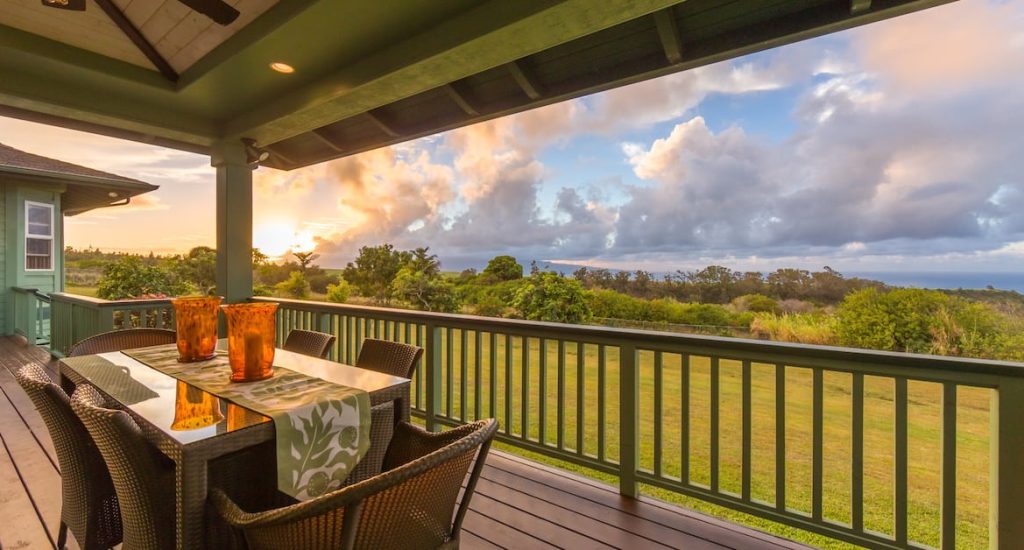
Maui is known for its stunning natural beauty, so it’s no surprise that many homebuyers prioritize properties with breathtaking views. Whether you dream of waking up to a panoramic ocean vista or prefer a serene mountain view, consider the orientation and outlook of the property.
3. Size and Layout
Think about your current and future space requirements when choosing a home. Consider the number of bedrooms and bathrooms you need, as well as the overall square footage. Also, pay attention to the layout and flow of the home to ensure it suits your lifestyle.
4. Outdoor Living Spaces
With Maui’s year-round pleasant weather, outdoor living spaces are a must-have for many homebuyers. Look for properties with spacious lanais, patios, or decks that allow you to enjoy the island’s natural beauty and mild climate.
5. Condition and Age
Consider the overall condition and age of the property. Newer homes may require less maintenance and offer more modern amenities, while older homes may have more character but could need updates or repairs.
6. Energy Efficiency
Electricity is expensive on Maui. Look for homes with energy-efficient features, such as solar panels, double-pane windows, and efficient appliances, to help reduce your utility bills.
7. Zoning and Restrictions
Be sure to research any zoning restrictions or homeowner association rules that may impact your use and enjoyment of the property. Most homes and a growing number of condos have restrictions on vacation rentals. HOAs may impose restrictions on landscaping, certain home improvements or accessory dwellings.
By keeping these key features in mind, you’ll be better equipped to find the perfect Maui home that fits your unique needs, preferences, and lifestyle.
Property Tax Rates Across Maui
Property taxes in Maui County are a significant ongoing cost that varies considerably based on property classification and use. Understanding these rates is essential for accurate budget planning when purchasing a home in Maui. The county uses a tiered system with different rates for various property categories, and these rates are applied per $1,000 of assessed value.
Residential Property Tax Classifications
Owner-Occupied (Homeowner Rate): Properties where owners claim a homeowner exemption receive the lowest rate at $2.92 per $1,000 of assessed value. For a $1.3 million home, this translates to approximately $3,796 annually. Qualified homeowners also receive a $200,000 exemption, reducing taxable value. To qualify, you must file for the exemption by December 31st and occupy the property as your primary residence.
Non-Owner Occupied: Investment properties and second homes are taxed at $6.31 per $1,000. A $1.3 million property would incur approximately $8,203 annually. This rate applies to any residential property not qualifying for the homeowner exemption.
Short-Term Rental: Properties used for vacation rentals (less than 180-day minimum rental periods) face the highest residential rate at $11.75 per $1,000. That same $1.3 million property would be taxed at $15,275 annually. Recent legislation has further restricted where short-term rentals are permitted, making this classification increasingly important to understand.
Commercial and Agricultural Rates
Commercialized Residential: Properties with more than one dwelling unit used for rental purposes are taxed at $8.25 per $1,000. This affects many properties with ohana units or multiple structures.
Agricultural: Properties with active agricultural use can qualify for much lower rates at $5.89 per $1,000, but must meet specific production requirements and minimum acreage standards. Many Upcountry properties maintain agricultural status through active farming or ranching operations.
Additional Tax Considerations
Maui County reassesses property values every year, which can lead to tax increases even without rate changes. Properties that sell typically trigger a reassessment to market value. The county also offers a “circuit breaker” tax credit program for qualifying low-income homeowners and seniors, which can provide credits ranging from $200 to $1,200.
Property tax bills are issued twice yearly, with payments due on August 20 and February 20. Failure to pay on time results in a 10% penalty plus 1% monthly interest. Many mortgage lenders require tax impounds, collecting monthly portions with your mortgage payment.
For tax planning purposes, buyers should budget approximately 0.3% to 1.2% of purchase price annually for property taxes, depending on the property’s use and classification. This represents a significant ongoing cost that can range from $3,000 to over $15,000 annually for typical Maui homes.
Can Non-Residents Buy Property in Maui?
One of the most common questions from international buyers and mainland investors is whether non-residents can purchase property in Maui. The short answer is yes—Hawaii follows the same federal laws as the rest of the United States, which generally allow foreign nationals and non-residents to buy real estate. However, there are important considerations and requirements that non-resident buyers should understand.
Legal Framework for Foreign Buyers
Unlike many countries that restrict foreign property ownership, the United States, including Hawaii, maintains an open policy. Foreign nationals from any country can purchase residential or commercial property in Maui with the same rights as U.S. citizens. This includes citizens from China, Japan, Canada, Europe, and elsewhere—there are no citizenship requirements or restrictions based on nationality at the federal or state level.
The property rights for foreign owners are identical to those of domestic buyers: full ownership rights (fee simple), the ability to rent or lease the property, inheritance rights, and the right to sell at any time. Foreign buyers can purchase through their individual names, LLCs, corporations, or trusts, though each structure has different tax implications.
Tax Implications for Non-Resident Buyers
FIRPTA Requirements: The Foreign Investment in Real Property Tax Act (FIRPTA) requires buyers to withhold 15% of the purchase price when buying from a foreign seller. When foreign owners sell, buyers must withhold 15% of the gross sale price for IRS tax purposes, unless an exemption applies.
Hawaii State Taxes: Non-resident sellers face HARPTA (Hawaii’s version of FIRPTA), requiring 7.25% withholding on the sale price. Property tax rates are the same regardless of citizenship, though non-residents typically pay the higher non-owner-occupied rate of $6.31 per $1,000 unless they establish residency.
Estate Tax Considerations: Foreign nationals face federal estate taxes on U.S. property values exceeding $60,000, compared to the $12.92 million exemption for U.S. citizens (as of 2025). This makes proper estate planning crucial for foreign buyers.
Financing Challenges and Solutions
While legal to purchase, foreign buyers often face financing obstacles. Most U.S. lenders require a Social Security Number or Individual Taxpayer Identification Number (ITIN), U.S. credit history, and proof of U.S.-based income. Foreign nationals can obtain an ITIN from the IRS specifically for tax and lending purposes.
Some solutions include: portfolio lenders who keep loans in-house often have more flexibility for foreign buyers; private money lenders, though at higher interest rates (typically 8-12%); or establishing U.S. credit through secured credit cards and building history over 6-12 months. Many foreign buyers choose cash purchases to avoid financing complications—approximately 60% of foreign buyer transactions in Maui are cash.
Practical Considerations for Non-Resident Owners
Property Management: Non-resident owners typically need local property management, especially for rental properties. Management companies charge 8-10% of rental income for long-term rentals, or 20-25% for vacation rentals.
Insurance Requirements: Some insurance companies charge higher premiums for non-resident-owned properties, typically 15-25% more than owner-occupied rates. Vacant home insurance may be required if the property sits empty for extended periods.
Banking and Utilities: Setting up U.S. bank accounts can be challenging without a Social Security Number. Some banks offer international accounts that can be opened from abroad. Utility companies may require larger deposits from non-resident owners.
Legal Representation: Foreign buyers should engage a Hawaii-licensed real estate attorney familiar with international transactions. Legal fees typically range from $2,500 to $5,000 for standard transactions. An attorney can help structure ownership properly for tax efficiency and estate planning purposes.
The key takeaway is that while non-residents face no legal barriers to buying Maui property, they should plan for additional complexity in financing, higher carrying costs, and the need for professional tax and legal guidance to structure their investment optimally.
The Maui Home Closing Timeline
Understanding the typical timeline for closing on a home in Maui helps buyers plan their purchase and manage expectations. The process generally takes 30 to 60 days from an accepted offer to closing, though cash purchases can close in as little as 14 days. Several factors unique to Maui can affect this timeline.
Standard Timeline Breakdown
Days 1-3: Escrow Opens and Initial Deposits Once your offer is accepted, escrow opens immediately. Your initial earnest money deposit (typically 1-2% of purchase price) is due within 2-3 business days. The escrow company, usually Title Guaranty or First American Title, begins preliminary title work. Purchase contracts are distributed to all parties and lenders if applicable.
Days 4-14: Inspections and Due Diligence Home inspection occurs within 7-10 days (J-7 or J-10 in the contract). Inspections in Maui often take longer to schedule due to limited inspectors—book immediately upon acceptance. Specialized inspections (termite, roof, pool, septic) may be needed and can extend timelines. The termite inspection is particularly critical in Maui’s climate. If issues arise, negotiation of repairs or credits typically adds 3-5 days.
Days 10-30: Financing and Appraisal (If Applicable) Loan application should be submitted immediately if not already in underwriting. Appraisals often take 10-14 days to schedule and complete due to limited appraisers on Maui. Underwriting typically requires 21-30 days for full approval. Jumbo loans (common in Maui) may take an additional 5-10 days. Cash buyers skip this phase, significantly shortening the timeline.
Days 20-35: Final Loan Approval and Contingency Removal All contingencies (inspection, appraisal, loan) typically removed by day 21-30. Final loan approval and clear to close issued by lender. Homeowner’s insurance must be secured—can be challenging for certain areas post-fire concerns. Final walk-through scheduled for 2-3 days before closing.
Days 35-45: Closing Preparation Title company prepares final closing documents and settlement statements. Buyers wire closing funds (down payment plus closing costs). Final loan documents sent to escrow. Any last-minute issues resolved—clouds on title are not uncommon with older Maui properties.
Closing Day (Typically Days 45-60): Buyers sign loan documents (if financing) at escrow office. Sellers sign deed and transfer documents, often separately. Funding typically occurs the same day for cash, next day for financed purchases. Keys released once recording is confirmed with the Bureau of Conveyances.
Factors That Can Extend Timeline
Unique Maui Challenges: The Bureau of Conveyances in Honolulu handles all Hawaii recordings, sometimes causing delays. Flood zone determinations for coastal properties can add 5-10 days. Properties with CPR (Condominium Property Regime) status require additional documentation. Leasehold properties need lessor approval, potentially adding 2-3 weeks. Properties with photovoltaic (solar) leases require special handling and approvals.
Seasonal Variations: November through January often see delays due to holidays and mainland lender schedules. Japanese Golden Week and Chinese New Year can affect international buyer transactions. Hurricane season (June-November) may cause insurance delays. Peak buying season (December-April) means longer waits for services.
Strategies to Expedite Closing
For the fastest closing: get pre-approved, not just pre-qualified, before making offers; use local lenders familiar with Hawaii properties and requirements; schedule inspections immediately upon acceptance; respond to all lender and escrow requests within 24 hours; and consider offering longer closing times (45-60 days) to make your offer more attractive while ensuring smooth transaction.
Cash buyers can close in 14-21 days if they waive financing contingency, complete inspections quickly, and wire funds early to escrow. International wire transfers should allow extra time for processing and compliance checks.
Realistic expectations suggest planning for 45 days for financed purchases, 21 days for cash purchases, 60+ days for complex transactions (leasehold, international buyers, or properties with title issues), and 75-90 days for new construction or properties requiring extensive repairs.
By understanding this timeline, buyers can better coordinate their move to Maui, arrange temporary housing if needed, and avoid the stress of unrealistic expectations about the closing process.
Working With A Real Estate Agent To Find Your Perfect Home in Maui
Navigating the Maui real estate market can be challenging, especially if you’re not familiar with the island’s unique neighborhoods, market trends, and property types. That’s where working with a knowledgeable and experienced local real estate agent comes in. A professional agent can guide you through the process of finding and purchasing your perfect home in Maui.
Here are some benefits of working with a local real estate agent:
Real estate agents have access to the Multiple Listing Service (MLS), which includes a comprehensive database of properties for sale in Maui. They can help you find homes that match your criteria, including properties that may not be publicly advertised.
3. Negotiation Skills
Experienced real estate agents are skilled negotiators who can help you secure the best possible price and terms for your home purchase. They can also guide you through the counteroffer process and help you navigate any challenges that may arise during negotiations.
4. Paperwork and Contracts
Buying a home involves a significant amount of paperwork and legal contracts. A real estate agent can help you understand these documents and ensure that everything is in order, protecting your interests throughout the process.
5. Professional Network
Real estate agents have a network of professional contacts, including lenders, home inspectors, contractors, and attorneys. They can provide recommendations and connect you with trusted professionals to help streamline the home-buying process.
When choosing a real estate agent, look for someone who:
Has experience in the Maui real estate market
Understand your unique needs and preferences
Communicates clearly and responds promptly to your questions and concerns
Has a track record of successfully helping buyers find their perfect homes
By working with a dedicated and knowledgeable real estate agent team like The Maui Real Estate Team, you can make your dream of owning a home in Maui a reality while enjoying a smoother, more stress-free home-buying experience.
Ready To Get Started on Your Search for Your Dream Home in Maui?
Looking for Maui homes for sale is an exciting opportunity to embrace a lifestyle filled with natural beauty and outdoor adventures. It is also a chance to get to know the community and the culture of this beautiful part of the world.
Whether you’re seeking a luxurious oceanfront estate, a cozy upcountry cottage, or a family-friendly neighborhood home, Maui’s diverse real estate market has something to offer for every taste.
By considering key features such as location, view, size, and amenities, and working with a knowledgeable real estate agent, you can navigate the home-buying process with confidence and ease.
As you embark on this journey, remember to take the time to explore the island’s unique neighborhoods, immerse yourself in the local culture, and envision the incredible memories you’ll create in your new Maui home.
With its unparalleled beauty and endless opportunities for adventure, Maui truly is a special place for those lucky enough to call it home. If you want to look at specific Maui homes for sale, contact The Maui Real Estate Team today!
About the author
Pete Jalbert
Pete has been a Realtor on Maui since 2004. He was the island’s first real estate blogger and continues to post educational content for buyers and sellers, twenty years later. When he isn’t practicing real estate, he appreciates spending time with his family, gardening, and surfing.